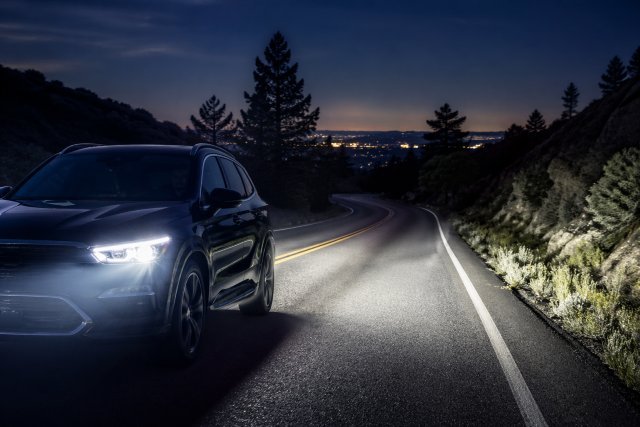
If you have ever driven on a dark highway and felt like your stock headlights were simply not doing enough, you are not alone. LED Headlights have become one of the most talked-about vehicle upgrades because drivers want better road visibility, a cleaner beam pattern, and more confidence after sunset. The real appeal is not just that LEDs look modern. It is that a better headlight system can make nighttime driving safer when the beam is properly designed, aimed, and matched to the vehicle. Research from the Insurance Institute for Highway Safety shows that vehicles with good-rated headlights have fewer nighttime single-vehicle crashes and fewer nighttime pedestrian crashes than vehicles with poor-rated headlights.
- Why LED Headlights have become so popular
- How LED Headlights improve road visibility
- LED Headlights vs halogen: what drivers actually notice
- Are LED Headlights legal?
- Choosing the right LED Headlights for your vehicle
- Why beam pattern matters more than brightness claims
- Common mistakes drivers make with LED Headlights
- Real-world tips before you upgrade
- FAQ: LED Headlights and night driving
- Conclusion
That said, LED Headlights are not a magic fix by themselves. A strong upgrade depends on beam control, correct installation, headlight aim, lens condition, and legal compliance. NHTSA has repeatedly emphasized that headlamps have to balance two safety needs at the same time: helping the driver see forward and preventing glare for everyone else.
So, if you are thinking about switching to LED Headlights, the smartest move is not to chase the brightest product listing online. It is to understand how LED systems work, when they help, when they cause problems, and how to choose an upgrade that genuinely improves visibility instead of just creating more glare.
Why LED Headlights have become so popular
LED Headlights are popular because they solve a few common frustrations drivers have with older lighting technology. Many halogen systems feel yellow, weak, and uneven on dark roads, especially in rain or on poorly lit streets. LEDs, by contrast, are known for crisp illumination, fast response, and efficient light control, which is one reason they have become common in modern vehicle lighting and adaptive headlamp systems. NHTSA’s adaptive driving beam rule also reflects how newer headlighting technology can improve visibility for drivers, pedestrians, bicyclists, and roadside hazard detection when the system is engineered properly.
Another reason for the surge in interest is styling. Many drivers like the sharper, more premium appearance of LED Headlights. But from a practical perspective, the bigger advantage is consistency. A well-designed LED headlamp can put light exactly where it is needed instead of wasting output in the wrong areas. IIHS testing focuses heavily on this point: what matters is not just how bright a headlight seems, but how well it illuminates curves, straightaways, and the roadside without creating excessive glare.
How LED Headlights improve road visibility
The biggest benefit of LED Headlights is controlled visibility. Good headlights help you recognize lane markings, signs, pedestrians, animals, and road edges earlier. That extra time matters. IIHS found that better-performing headlights are associated with measurable reductions in nighttime crash rates, which is a strong real-world sign that headlight quality affects safety in a meaningful way.
This is also why premium factory LED systems often feel dramatically better than older reflector-based halogen setups. The improvement is not only about a whiter color. It is about how the optics shape the beam. Better beam reach on low beams, stronger shoulder illumination, and improved curve visibility can reduce driver fatigue and make long night drives less stressful. According to IIHS, many headlights still need improvement, which means choosing the right system matters more than many drivers think.
There is another side to the story, though. More light is not always better if it is poorly aimed or scattered. NHTSA’s research and rulemaking history make it clear that visibility and glare prevention must work together. A headlight that looks intense from the driver’s seat can still be a bad system if it dazzles oncoming traffic or throws light above the cutoff.
LED Headlights vs halogen: what drivers actually notice
Most drivers notice three things when they move from halogen to LED Headlights. The first is a more modern-looking light output. The second is stronger contrast on the road. The third is reduced strain when driving at night, assuming the headlamp is well designed.
In day-to-day use, this can mean road signs become easier to spot, lane edges are clearer, and dark rural roads feel less tiring. For commuters, rideshare drivers, and anyone who drives frequently after sunset, that improvement can feel substantial. But the keyword here is “well designed.” A cheap plug-in bulb that does not match the original housing can easily create hot spots, shadows, or glare that make the upgrade worse instead of better. NHTSA has explicitly stated that LEDs are not currently permitted in a replaceable-bulb headlamp under the federal standard in the same way many aftermarket sellers imply, and that illegal LED replaceable light sources may still be sold online.
That is why drivers should separate two very different things: factory or compliant complete LED headlamp systems, and random LED bulb swaps for housings built around halogen filament geometry. Those are not the same upgrade, and they do not deliver the same result.
Are LED Headlights legal?
This is where many articles get vague, but the answer is more specific than most sellers make it sound. In the United States, NHTSA says LEDs are allowed in integral beam headlamps that comply with FMVSS No. 108, but LEDs are not currently permitted in a replaceable-bulb headlamp in the way many aftermarket conversion bulbs are marketed. In plain language, a factory LED system or a compliant complete headlamp assembly is one thing. Dropping an LED bulb into a halogen housing is another, and it may not be federally compliant even if the product page uses phrases like “DOT approved.”
If you are outside the U.S., local rules can differ, which is why it is smart to check your national or regional lighting regulations before buying anything. The safest approach is always to choose LED Headlights that are designed as a complete system for your vehicle or a replacement assembly that clearly meets the applicable standard in your market.
Choosing the right LED Headlights for your vehicle
The best LED Headlights are the ones that match your vehicle, your housing type, and your driving conditions. A city driver who mainly commutes on lit roads may want a clean, reliable low-beam upgrade with good cutoff control. A driver who covers long rural miles at night may care more about shoulder illumination, beam reach, and weather resistance.
Start by identifying whether your vehicle has reflector housings, projector housings, or a factory integrated LED setup. Then pay attention to beam pattern quality, not just brightness claims. Marketing numbers can be misleading. A headlight that produces a controlled, road-usable beam is more valuable than one that simply looks brighter in a garage photo.
You should also think about installation quality. Even a strong LED system can perform badly if the bulb orientation is wrong, the housing is cloudy, or the headlight aim is off. NHTSA materials on good headlamps emphasize proper aim and clean lenses because both directly affect glare and usable visibility.
Why beam pattern matters more than brightness claims
A lot of drivers shop for LED Headlights by searching for the highest lumen number. That sounds logical, but on the road it can be the wrong metric. What matters more is where the light goes. A useful beam should illuminate the lane ahead, the road shoulders, and upcoming curves while keeping stray light out of other drivers’ eyes.
This is exactly why IIHS headlight testing is built around real roadway performance, including visibility on straight and curved sections and control of glare. A headlight system earns its value by helping the driver see hazards earlier, not by appearing harsh or flashy.
If your headlights feel bright but you still struggle to see lane edges, animals, or pedestrians, the issue may be beam distribution, not raw output. Likewise, if oncoming drivers flash their high beams at you often, your setup may be misaligned or producing too much glare.
Common mistakes drivers make with LED Headlights
The most common mistake is buying cheap conversion bulbs without checking whether the housing was designed for them. That often leads to glare, scattered light, poor focus, and disappointing night performance. NHTSA’s interpretation letters are especially useful here because they cut through marketing language and focus on compliance and photometric performance.
The second mistake is ignoring headlight aim. Headlights can shift over time, especially after suspension changes, front-end repairs, or everyday wear. A misaligned beam can reduce your own visibility and make life miserable for everyone coming the other way. NHTSA and AAA both emphasize that proper aim is a basic but important part of safe night driving.
The third mistake is forgetting the lens itself. If the headlight lens is cloudy, yellowed, or scratched, even a decent light source will underperform. Restoring or replacing worn lenses can sometimes deliver a bigger real-world improvement than swapping bulb technology alone. AAA has highlighted how deteriorated headlights can sharply reduce light output, which is a reminder that maintenance still matters.
Real-world tips before you upgrade
If your main goal is better night visibility, inspect what you already have first. Clean the lenses, check alignment, and compare low-beam performance on a dark road. If the current setup is badly aged or misaligned, fixing those basics may produce an immediate improvement.
If you still want LED Headlights, prioritize known brands, vehicle-specific fitment, and complete assemblies when possible. Read independent beam pattern tests, not just product listings. And if you are not comfortable doing the installation yourself, a professional shop is often worth it because small aiming errors can cancel out the benefits of the upgrade.
Drivers with older vehicles should be especially careful not to treat every LED bulb as a universal solution. The most successful upgrades usually come from matching the light source, optics, and compliance requirements as a complete package.
FAQ: LED Headlights and night driving
Are LED Headlights better than halogen?
They can be, especially when they are part of a properly engineered system. The main advantage is usually better beam control, clearer illumination, and stronger nighttime confidence. But a poor retrofit can perform worse than a decent halogen setup.
Do LED Headlights reduce nighttime crashes?
Headlights themselves do not guarantee crash prevention, but better-rated headlights are associated with lower nighttime crash rates. IIHS found that vehicles with good headlights had fewer nighttime single-vehicle crashes and fewer nighttime pedestrian crashes than those with poor headlights.
Can LED Headlights cause glare?
Yes, especially when they are poorly aimed, poorly designed, or installed in housings that were never meant for them. NHTSA research has long recognized glare as a real concern in headlamp performance.
Is a plug-and-play LED bulb always a good idea?
Not always. In the U.S., NHTSA has said LEDs are not currently permitted in replaceable-bulb headlamps the way many aftermarket kits suggest. A compliant complete headlamp assembly is a much safer route than assuming any bulb swap is acceptable.
Conclusion
LED Headlights can be a smart upgrade when your goal is better road visibility, stronger nighttime confidence, and a more modern lighting experience. The real value, though, comes from choosing a system that controls light well, matches your vehicle, and respects the balance between seeing farther and avoiding glare. That is the part many quick-buy guides miss.
If you want the best results from LED Headlights, focus on beam pattern, legality, lens condition, and precise aim before you chase bold brightness claims. A thoughtful upgrade can make night driving feel safer and less stressful. A careless one can do the opposite. In other words, the best LED Headlights are not simply the brightest. They are the ones that help you see the road better without becoming a problem for everyone else.