Oil in spark plug wells or on spark plugs is a serious engine issue that shouldn’t be ignored. If you’ve noticed engine misfires, poor acceleration, or oily residue on your spark plugs, you may be dealing with Oil For Spark Plugs — a common but potentially damaging condition.
- What Does Oil For Spark Plugs Mean?
- Common Symptoms of Oil For Spark Plugs
- What Causes Oil For Spark Plugs?
- How Serious Is Oil On Spark Plugs?
- Diagnosis: How Mechanics Identify the Problem
- Repair Costs for Oil For Spark Plugs
- Best Fixes for Oil For Spark Plugs
- Can You Drive With Oil On Spark Plugs?
- Preventive Measures to Avoid Oil For Spark Plugs
- Real-World Example
- FAQ: Oil For Spark Plugs
- Conclusion: Fix Oil For Spark Plugs Before It Escalates
In this comprehensive guide, we’ll break down everything you need to know: symptoms, causes, repair costs, and the best ways to fix the problem before it escalates into expensive engine damage.
What Does Oil For Spark Plugs Mean?
When oil contaminates spark plugs, it typically means that engine oil is leaking into areas where it shouldn’t be — specifically the spark plug wells or combustion chamber.
Spark plugs are designed to ignite the air-fuel mixture inside the engine. However, when oil coats them, it disrupts combustion, leading to performance issues and long-term engine wear.
According to automotive experts like ****, oil contamination is one of the most common causes of spark plug failure and engine misfires.
Common Symptoms of Oil For Spark Plugs
Recognizing the symptoms early can save you from costly repairs. Here are the most common signs:
Engine Misfires and Rough Idling
When oil interferes with the spark, the combustion process becomes inconsistent. This leads to engine misfires, especially during acceleration or idling.
Poor Fuel Efficiency
Oil-coated spark plugs reduce combustion efficiency, forcing the engine to burn more fuel.
Blue Smoke from Exhaust
Burning oil produces bluish smoke — a clear sign that oil is entering the combustion chamber.
Reduced Engine Power
You may notice sluggish acceleration or a general lack of power due to incomplete combustion.
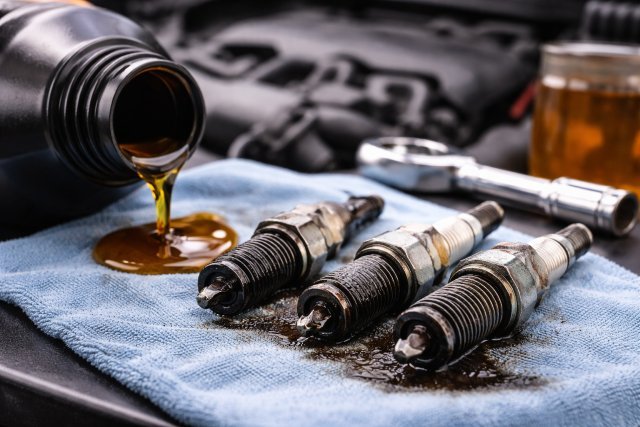
Oil on Spark Plug Threads or Tips
If you remove the spark plugs and see oil residue, it’s a direct confirmation of the issue.
What Causes Oil For Spark Plugs?
Understanding the root cause is critical to fixing the issue effectively. Several mechanical problems can lead to oil leaking onto spark plugs.
Worn Valve Cover Gasket
This is the most common cause. The valve cover gasket seals the top of the engine. When it wears out, oil can seep into the spark plug wells.
Faulty O-Rings or Spark Plug Tube Seals
These seals prevent oil from entering the spark plug area. Over time, they degrade due to heat and pressure.
Worn Piston Rings
Damaged piston rings allow oil to enter the combustion chamber, coating the spark plug tip.
Failing Valve Guides or Seals
Worn valve seals can leak oil into the combustion chamber, especially during deceleration.
PCV (Positive Crankcase Ventilation) System Issues
A clogged or malfunctioning PCV valve can increase internal engine pressure, forcing oil into unwanted areas.
For a deeper technical breakdown, automotive research from **** highlights gasket failure and seal wear as leading contributors to oil leaks in modern engines.
How Serious Is Oil On Spark Plugs?
This is not a minor issue. Ignoring it can lead to:
- Severe engine misfires
- Catalytic converter damage
- Increased emissions
- Engine overheating
- Permanent engine damage
In extreme cases, prolonged oil contamination can result in complete engine failure.
Diagnosis: How Mechanics Identify the Problem
Professional diagnosis involves several steps:
Visual Inspection
Technicians check for oil in spark plug wells and inspect gaskets and seals.
Compression Test
This helps determine if piston rings or valves are worn.
Leak-Down Test
Used to pinpoint where compression is escaping.
PCV System Check
Ensures proper ventilation and pressure regulation inside the engine.
Repair Costs for Oil For Spark Plugs
Repair costs vary depending on the root cause and vehicle type. Below is a general estimate:
Valve Cover Gasket Replacement
Typically costs between $100 and $350, depending on labor and parts.
Spark Plug Tube Seal Replacement
Ranges from $150 to $400, often done alongside gasket replacement.
Spark Plug Replacement
Costs around $50 to $200 depending on plug type (standard vs. iridium/platinum).
Piston Ring Repair
This is expensive, often ranging from $1,000 to $3,500 due to engine disassembly.
Valve Seal Replacement
Costs can range from $500 to $2,000 depending on complexity.
According to industry data from ****, gasket-related repairs are among the most affordable fixes, while internal engine repairs are significantly more expensive.
Best Fixes for Oil For Spark Plugs
Fixing the issue depends on the underlying cause. Here are the most effective solutions:
Replace Valve Cover Gasket
If the gasket is leaking, replacing it is usually a straightforward and cost-effective fix.
Install New Spark Plug Tube Seals
These seals are inexpensive but critical in preventing oil leaks.
Clean or Replace Spark Plugs
If oil contamination is severe, replacing the spark plugs is recommended.
Repair or Replace PCV Valve
A faulty PCV valve is inexpensive to fix and can prevent future leaks.
Engine Overhaul (If Necessary)
If piston rings or valve seals are worn, a more extensive repair may be required.
Can You Drive With Oil On Spark Plugs?
Technically, yes — but it’s not advisable.
Driving with oil-contaminated spark plugs can worsen engine damage, reduce efficiency, and increase repair costs over time. Short-term driving may be possible, but immediate repair is strongly recommended.
Preventive Measures to Avoid Oil For Spark Plugs
Preventing this issue is far easier and cheaper than fixing it.
Regular Engine Inspections
Check for leaks during routine maintenance.
Timely Oil Changes
Using clean oil reduces sludge buildup and seal degradation.
Replace Gaskets and Seals Periodically
Rubber components degrade over time and should be replaced proactively.
Maintain PCV System
Ensure proper ventilation to prevent pressure buildup.
Use High-Quality Engine Oil
Premium oils reduce wear and extend engine life.
Real-World Example
Consider a 2015 Toyota Corolla experiencing rough idling and poor mileage. Upon inspection, oil was found in the spark plug wells due to a worn valve cover gasket.
The repair cost was around $220, including gasket replacement and new spark plugs. After the fix, engine performance improved significantly, and fuel efficiency returned to normal.
This highlights how early detection can save hundreds — or even thousands — of dollars.
FAQ: Oil For Spark Plugs
What does oil on spark plugs indicate?
Oil on spark plugs usually indicates a leaking valve cover gasket, worn seals, or internal engine wear such as damaged piston rings.
Is oil on spark plugs bad?
Yes, it can cause engine misfires, poor performance, and long-term damage if not addressed.
Can oil ruin spark plugs?
Absolutely. Oil contamination prevents proper ignition and can permanently damage spark plugs.
How do you fix oil in spark plug wells?
The most common fix is replacing the valve cover gasket and spark plug tube seals.
How long can I drive with oil on spark plugs?
It’s best to avoid driving for long periods. Immediate repair is recommended to prevent further damage.
Conclusion: Fix Oil For Spark Plugs Before It Escalates
Dealing with Oil For Spark Plugs is not something to postpone. While the issue often starts with minor leaks like a worn gasket, it can quickly escalate into major engine damage if ignored.
The good news is that most causes — especially gasket and seal failures — are relatively affordable to fix when caught early. Regular maintenance, timely inspections, and quick action can keep your engine running smoothly and efficiently.
If you suspect oil contamination, don’t wait. Diagnose the issue, apply the right fix, and protect your engine for the long run.