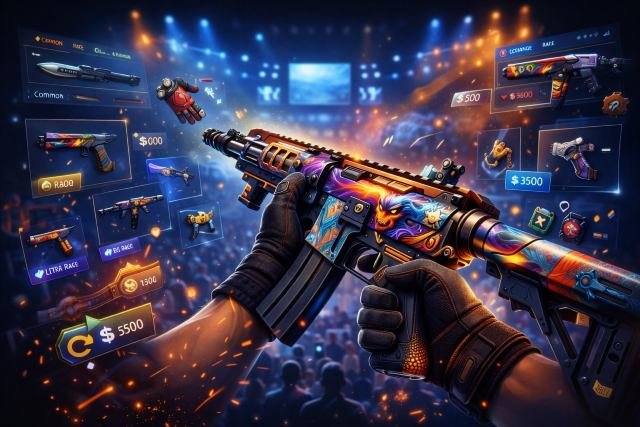
Cosmetic customization has always been part of gaming, but in Counter-Strike 2, it plays a more meaningful role than many players realize. While skins do not affect gameplay mechanics, they influence how players connect with the game, express individuality, and engage with the wider community.
As CS2 continues to evolve, cosmetic systems have become deeply embedded in how players experience matches, watch esports, and participate in online discussions.
Customization as Player Identity
In competitive games like CS2, player identity is not defined solely by rank or performance. Visual elements such as weapon skins, gloves, and loadout themes contribute to how players perceive themselves and others.
Customization allows players to:
- Stand out in matches
- Build a recognizable visual style
- Feel more connected to their loadout
- Express personal taste without affecting balance
Over time, these cosmetic choices become part of a player’s in-game presence.
The Psychological Impact of Visual Consistency
Many players report feeling more comfortable when using familiar visuals. Using the same skins consistently can create a sense of routine and confidence, especially in competitive environments.
This phenomenon is not unique to gaming. Similar patterns appear in productivity tools, sports equipment, and even software interfaces, where familiarity reduces cognitive friction and improves focus.
In CS2, a consistent loadout can subtly enhance the overall gameplay experience, even though it does not directly influence performance.
Community Influence on Cosmetic Trends
Cosmetic trends in CS2 are heavily influenced by the community. Professional matches, live streams, and highlight videos expose players to specific skins and styles, often shaping demand and popularity.
When certain skins appear frequently in esports events or popular streams, they tend to gain visibility and recognition. This exposure encourages players to explore different cosmetic options and update their inventories accordingly.
Managing and Updating Loadouts Over Time
As players spend more time in CS2, their preferences naturally change. What once felt exciting may eventually feel outdated, leading players to refresh their loadouts.
Instead of keeping the same items indefinitely, many players adjust their inventories by exchanging or rotating skins. Some choose to trade CS2 skins as a way to maintain variety without continuously adding new items, using established exchange workflows such as those available at Skinsmonkey.
This approach reflects a broader trend in digital environments, where users value flexibility and adaptability over permanent ownership.
Skins as Part of Match Atmosphere
Beyond individual identity, skins contribute to the overall atmosphere of a match. Seeing a wide range of designs, colors, and styles adds visual diversity to gameplay, making matches feel less repetitive over long sessions.
This visual variation helps keep the experience engaging, especially for players who log hundreds or thousands of hours in the game.
The Balance Between Simplicity and Expression
Not every player wants an elaborate or rare loadout. Some prefer minimalistic or consistent designs that reduce visual noise. CS2’s cosmetic system supports both approaches, offering a wide spectrum of styles.
This balance ensures that customization remains optional rather than intrusive, allowing players to engage with it at their own pace.
Long-Term Engagement Through Customization
Cosmetic systems play a subtle but important role in player retention. The ability to personalize and adjust loadouts over time gives players additional reasons to stay engaged with the game beyond core mechanics.
Rather than being a one-time feature, customization becomes an ongoing process that evolves alongside gameplay skill and personal taste.
Looking Ahead
As CS2 continues to receive updates and new content, cosmetic customization is likely to remain a central element of the experience. While gameplay balance and performance will always come first, the role of skins in shaping identity, community interaction, and long-term engagement should not be overlooked.
Understanding how and why players interact with cosmetic systems offers insight into the broader design philosophy behind modern competitive games.