
Stabilitrak is a critical vehicle safety technology designed to help drivers maintain control in challenging driving conditions. In the first moments behind the wheel, most drivers rarely think about advanced safety systems working quietly in the background. Yet Stabilitrak plays a major role in preventing accidents by detecting loss of traction and automatically correcting the vehicle’s path.
- What Is Stabilitrak?
- How Stabilitrak Works in Modern Cars
- Stabilitrak vs Traction Control
- Why Stabilitrak Is Important for Driver Safety
- Common Driving Scenarios Where Stabilitrak Helps
- Stabilitrak Warning Light: What It Means
- Can You Drive with Stabilitrak Turned Off?
- How Stabilitrak Affects Performance and Handling
- Maintenance and Common Stabilitrak Issues
- Frequently Asked Questions About Stabilitrak
- Real-World Example of Stabilitrak in Action
- The Future of Stabilitrak and Vehicle Stability Systems
- Conclusion: Why Stabilitrak Matters for Modern Driving
As part of modern electronic stability control systems, Stabilitrak has become standard in many vehicles, especially those manufactured by General Motors brands. With road safety authorities estimating that electronic stability control reduces single-vehicle crashes by over 30 percent, understanding Stabilitrak is essential for today’s drivers. This guide explains what Stabilitrak is, how it works, and why it matters for everyday driving.
What Is Stabilitrak?
Stabilitrak is General Motors’ proprietary name for electronic stability control. It is designed to help drivers steer in the intended direction when road conditions or sudden maneuvers cause the vehicle to lose stability. Unlike basic traction control, Stabilitrak focuses on correcting lateral skids and loss of directional control.
The system constantly monitors steering input, wheel speed, and vehicle rotation. When it detects a difference between where the driver intends to go and where the vehicle is actually heading, Stabilitrak intervenes. This intervention can include applying brake pressure to individual wheels or reducing engine power to help regain stability.
How Stabilitrak Works in Modern Cars
Stabilitrak relies on a network of sensors and onboard computers to function effectively. These include wheel speed sensors, a steering angle sensor, and a yaw rate sensor that measures how much the vehicle is rotating around its vertical axis. Together, these components provide real-time data about vehicle movement.
When the system senses understeer or oversteer, Stabilitrak responds within milliseconds. For example, if the rear of the car begins to slide during a sharp turn, the system may apply braking force to one wheel to counteract the skid. This rapid response often prevents situations that could otherwise lead to a spin or rollover.
Stabilitrak vs Traction Control
Many drivers confuse Stabilitrak with traction control, but the two systems serve different purposes. Traction control primarily prevents wheel spin during acceleration, especially on slippery surfaces. Stabilitrak, on the other hand, focuses on maintaining directional control during turns and evasive maneuvers.
In real-world driving, these systems often work together. On an icy road, traction control limits wheel spin while Stabilitrak helps keep the vehicle aligned with the driver’s steering input. According to the National Highway Traffic Safety Administration, vehicles equipped with stability control systems experience significantly fewer loss-of-control crashes.
Why Stabilitrak Is Important for Driver Safety
Stabilitrak is especially valuable in emergency situations where human reaction time may not be fast enough. Sudden obstacles, sharp curves, or wet pavement can quickly overwhelm a driver’s ability to correct a skid. Stabilitrak steps in during these critical moments to assist.
Research from the Insurance Institute for Highway Safety shows that electronic stability control reduces fatal single-vehicle crashes by approximately 49 percent for passenger cars. This statistic highlights why Stabilitrak is not just a convenience feature but a life-saving technology that enhances overall road safety.
Common Driving Scenarios Where Stabilitrak Helps
Stabilitrak proves most useful during sudden lane changes, sharp turns, or driving on snow and rain-soaked roads. In these scenarios, vehicles are more likely to lose traction and stability. The system helps counteract these forces before the driver fully perceives the danger.
For instance, during highway driving, an unexpected obstacle may require a quick swerve. Without Stabilitrak, such a maneuver could lead to overcorrection and loss of control. With Stabilitrak active, the vehicle remains more stable, allowing the driver to safely regain control.
Stabilitrak Warning Light: What It Means
When the Stabilitrak warning light appears on the dashboard, it indicates that the system is either actively working or has detected a malfunction. A flashing light usually means the system is engaged and correcting traction or stability issues. A solid light often signals a problem that requires attention.
Ignoring a Stabilitrak warning light can compromise vehicle safety. While the car may still be drivable, the absence of stability assistance increases risk, especially in poor weather conditions. Automotive experts recommend having the system inspected promptly when the warning light remains illuminated.
Can You Drive with Stabilitrak Turned Off?
Some vehicles allow drivers to temporarily disable Stabilitrak. This feature is often used in specific situations such as freeing a vehicle stuck in snow or mud. In these cases, disabling stability control can allow wheel spin that helps regain momentum.
However, driving with Stabilitrak turned off during normal conditions is not recommended. Without electronic stability control, the driver assumes full responsibility for maintaining control during skids or sudden maneuvers. Safety organizations consistently advise keeping Stabilitrak enabled for everyday driving.
How Stabilitrak Affects Performance and Handling
Some drivers worry that Stabilitrak reduces performance or driving enjoyment. In reality, the system is calibrated to intervene only when necessary. During normal driving, Stabilitrak remains unobtrusive and does not affect acceleration or steering feel.
In high-performance or sporty vehicles, manufacturers fine-tune Stabilitrak to allow a degree of spirited driving while still providing a safety net. This balance ensures that drivers enjoy responsive handling without sacrificing protection in emergency situations.
Maintenance and Common Stabilitrak Issues
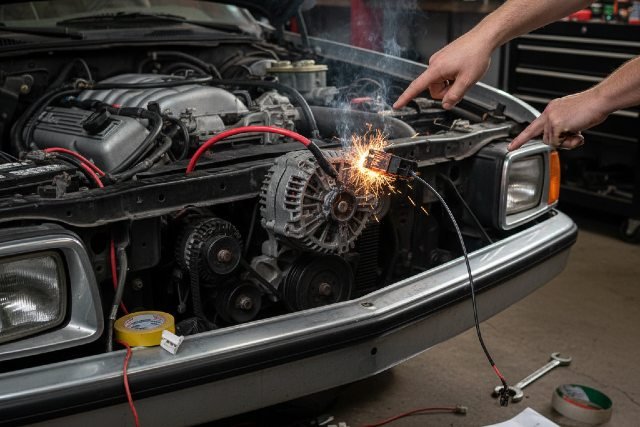
Stabilitrak is generally reliable, but like any electronic system, it can experience issues. Faulty wheel speed sensors, steering angle sensors, or wiring problems are among the most common causes of Stabilitrak malfunctions. Regular vehicle maintenance helps reduce the likelihood of these issues.
Keeping tires properly inflated and ensuring all four tires are the same size also supports Stabilitrak performance. Uneven tire wear or mismatched tires can confuse the system, leading to false warnings or reduced effectiveness. Routine inspections play a key role in maintaining optimal stability control.
Frequently Asked Questions About Stabilitrak
Is Stabilitrak the Same as Electronic Stability Control?
Stabilitrak is a branded version of electronic stability control used by General Motors. While the name differs across manufacturers, the underlying technology and purpose remain similar across most modern vehicles.
Does Stabilitrak Work at All Speeds?
Stabilitrak is most effective at moderate to higher speeds where loss of control is more likely to occur. At very low speeds, such as during parking maneuvers, the system has minimal impact because stability risks are lower.
Does Stabilitrak Improve Fuel Efficiency?
Stabilitrak is not designed to improve fuel economy. However, by promoting smoother driving and reducing aggressive corrections during skids, it may indirectly support more controlled driving habits.
Real-World Example of Stabilitrak in Action
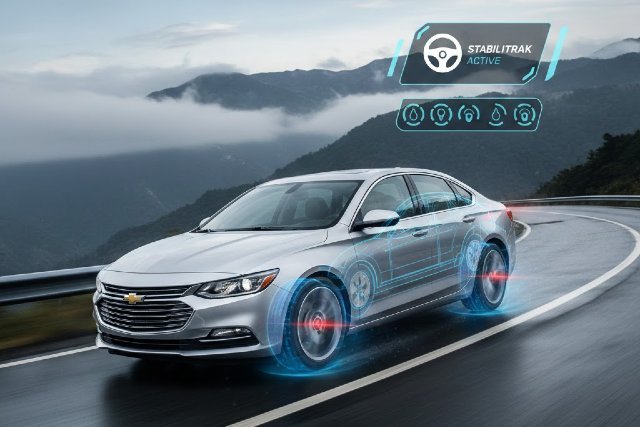
Consider a driver navigating a wet highway ramp at speed. As the vehicle enters the curve, water on the road reduces tire grip, causing the rear wheels to slide outward. Within milliseconds, Stabilitrak detects the mismatch between steering input and vehicle movement.
The system applies braking force to a specific wheel and adjusts engine output. The result is a controlled correction that keeps the car on its intended path. In many cases, the driver may not even realize how close the situation was to becoming dangerous.
The Future of Stabilitrak and Vehicle Stability Systems
As vehicles become more advanced, Stabilitrak continues to evolve. Integration with advanced driver assistance systems such as lane-keeping assist and collision avoidance enhances overall safety. These systems share data to provide a more comprehensive safety net.
Industry experts predict that future stability systems will leverage artificial intelligence to adapt to driver behavior and road conditions in real time. Stabilitrak remains a foundational technology within this broader movement toward safer, smarter vehicles.
Conclusion: Why Stabilitrak Matters for Modern Driving
In conclusion, Stabilitrak is a vital safety feature that significantly reduces the risk of loss-of-control accidents. By monitoring vehicle dynamics and intervening when necessary, it helps drivers stay on course during unexpected or hazardous situations.
Understanding how Stabilitrak works empowers drivers to appreciate its value and respond appropriately to warning signs. As electronic stability control continues to save lives worldwide, Stabilitrak stands as a clear example of how technology enhances safety and confidence on today’s roads.