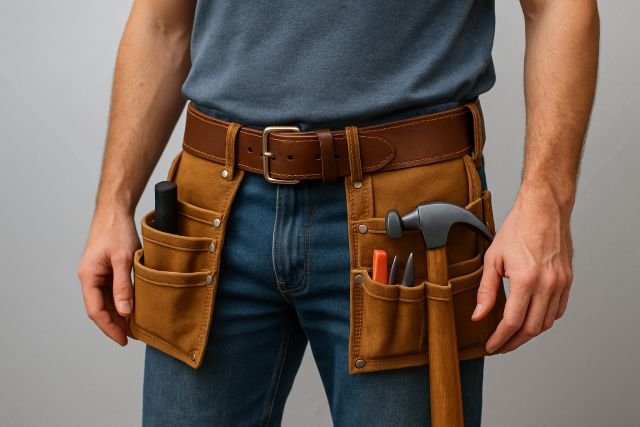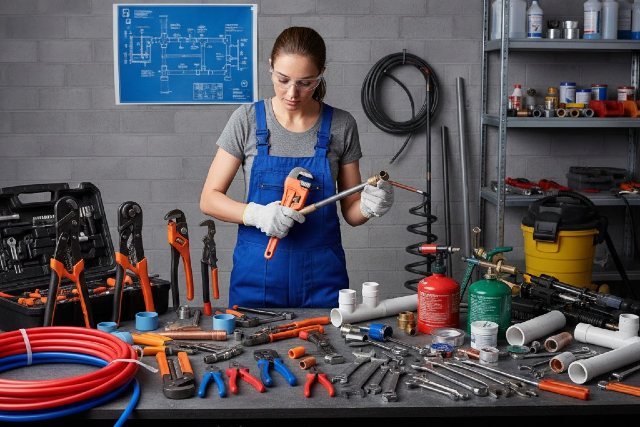
Plumbing tools are the backbone of every successful plumbing job, whether you are a licensed professional handling complex installations or a DIY user fixing leaks at home. Using the right plumbing tools not only saves time but also improves safety, accuracy, and long-term results. In today’s homes and commercial buildings, modern plumbing systems demand tools that are reliable, precise, and designed for efficiency. Understanding how these tools work and when to use them can make the difference between a quick repair and a costly mistake.
- Understanding Plumbing Tools and Their Importance
- Essential Plumbing Tools for Everyday Use
- Plumbing Tools for Pipe Cutting and Fitting
- Drain Cleaning Plumbing Tools Explained
- Modern Plumbing Tools and Smart Technology
- Choosing the Right Plumbing Tools for Your Needs
- Maintaining Plumbing Tools for Long-Term Performance
- Real-World Scenarios: Plumbing Tools in Action
- Common Questions About Plumbing Tools
- Conclusion: Why Plumbing Tools Matter
This complete guide explores plumbing tools in depth, covering essential equipment, advanced solutions, real-world usage scenarios, and expert advice. By the end of this article, you will have a clear understanding of how to choose, use, and maintain plumbing tools effectively.
Understanding Plumbing Tools and Their Importance
Plumbing tools are specialized devices designed to install, repair, and maintain water supply, drainage, and gas systems. Unlike general hand tools, plumbing tools are engineered to handle pipes, fittings, valves, and fixtures without damaging them. Professionals rely on high-quality plumbing tools to meet building codes and safety standards, while DIY users depend on them to complete household repairs confidently.
According to the U.S. Bureau of Labor Statistics, plumbing-related jobs continue to grow steadily due to aging infrastructure and new construction. This growth highlights the importance of proper tools and technical know-how. Investing in the right plumbing tools reduces rework, prevents leaks, and ensures long-lasting repairs.
Essential Plumbing Tools for Everyday Use
Basic Plumbing Tools for Home Repairs
Basic plumbing tools are commonly used for small repairs such as fixing leaks, replacing faucets, or unclogging drains. These tools are often affordable and easy to use, making them ideal for homeowners and beginners. Adjustable wrenches, pipe wrenches, plungers, and basin wrenches are frequently used in residential plumbing tasks.
Plumbing tools designed for home use help users avoid unnecessary service calls. For example, a simple pipe wrench allows a homeowner to tighten or loosen fittings securely, reducing the risk of water damage.
Professional Plumbing Tools for Advanced Jobs
Professional plumbers rely on advanced plumbing tools to handle complex systems, including commercial pipelines and high-pressure installations. These tools are built for durability and precision. Pipe cutters, threading machines, inspection cameras, and hydro jetting equipment fall into this category.
Modern plumbing tools also include power-assisted and digital solutions. Video inspection tools allow plumbers to diagnose hidden issues inside pipes, reducing guesswork and saving time. According to research published by Plumbing & Mechanical Magazine, diagnostic tools can reduce repair time by up to 40 percent when compared to traditional methods.
Plumbing Tools for Pipe Cutting and Fitting
Pipe cutting and fitting require accuracy to prevent leaks and ensure smooth water flow. Plumbing tools such as tubing cutters, hacksaws, and pipe reamers are essential in this process. Each material, whether copper, PVC, or steel, requires a specific approach and tool type.
Using the correct plumbing tools for pipe fitting ensures proper alignment and sealing. For example, a precision pipe cutter produces clean edges, which improves joint strength and reduces the likelihood of future leaks. Professionals often emphasize that poor cuts are one of the most common causes of plumbing failures.
Drain Cleaning Plumbing Tools Explained
Drain-related issues are among the most common plumbing problems faced by homeowners. Plumbing tools designed for drain cleaning help remove blockages caused by grease, hair, and debris. Manual drain snakes and augers are widely used for minor clogs, while powered drain cleaners handle more severe obstructions.
Advanced plumbing tools like hydro jetters use high-pressure water to clean pipes thoroughly. According to the Environmental Protection Agency, maintaining clean drainage systems improves water efficiency and reduces pipe deterioration over time. These tools are particularly valuable in commercial settings where heavy usage increases blockage risks.
Modern Plumbing Tools and Smart Technology
The plumbing industry has evolved with the introduction of smart plumbing tools that enhance efficiency and accuracy. Digital leak detectors, thermal imaging cameras, and pressure testing devices allow plumbers to identify issues without invasive procedures.
Smart plumbing tools also support preventive maintenance. Leak detection sensors, for example, can alert homeowners to potential problems before they escalate. Studies from organizations like the International Association of Plumbing and Mechanical Officials highlight how early detection tools reduce water waste and repair costs significantly.
Choosing the Right Plumbing Tools for Your Needs
Selecting plumbing tools depends on your experience level, project scope, and budget. DIY users should focus on versatile, easy-to-use tools that cover common household tasks. Professionals, on the other hand, benefit from specialized plumbing tools that improve speed and precision.
Quality should always be a priority. Well-made plumbing tools last longer and perform better under pressure. Reputable brands often comply with industry standards, ensuring safety and reliability. Before purchasing, users should consider tool compatibility with pipe materials and system requirements.
Maintaining Plumbing Tools for Long-Term Performance
Proper maintenance extends the life of plumbing tools and ensures consistent performance. Cleaning tools after use prevents corrosion and buildup, especially when working with water and chemicals. Regular inspections help identify worn components that could affect tool accuracy.
Professionals recommend storing plumbing tools in dry, organized spaces to avoid damage. According to industry experts, well-maintained tools can last up to twice as long as neglected ones, reducing long-term costs and improving job efficiency.
Real-World Scenarios: Plumbing Tools in Action
Consider a residential leak behind a wall. Traditional methods might require breaking drywall to locate the issue. With modern plumbing tools like thermal cameras and moisture meters, plumbers can pinpoint the problem with minimal disruption. This approach saves time, reduces repair costs, and improves customer satisfaction.
In another scenario, a DIY user faces a slow-draining sink. Using basic plumbing tools such as a plunger or drain snake can resolve the issue within minutes, avoiding chemical cleaners that may damage pipes over time.
Common Questions About Plumbing Tools
What are the most important plumbing tools for beginners?
For beginners, essential plumbing tools include an adjustable wrench, plunger, pipe wrench, and a basic drain snake. These tools cover most common household repairs and maintenance tasks.
Are professional plumbing tools worth the investment?
Professional plumbing tools are worth the investment for those who handle frequent or complex plumbing work. They improve efficiency, accuracy, and long-term reliability, often paying for themselves through reduced labor and repair time.
How often should plumbing tools be replaced?
The lifespan of plumbing tools depends on usage and maintenance. High-quality tools can last many years with proper care, while heavily used or poorly maintained tools may need replacement sooner.
Conclusion: Why Plumbing Tools Matter
Plumbing tools are essential for maintaining safe, efficient, and reliable water systems. Whether you are a professional plumber or a DIY enthusiast, understanding the purpose and proper use of plumbing tools empowers you to handle repairs with confidence. From basic hand tools to advanced smart technology, the right equipment ensures better results and long-term savings.
By investing in quality plumbing tools, maintaining them properly, and staying informed about modern advancements, users can tackle plumbing challenges effectively. As plumbing systems continue to evolve, having the right tools remains the foundation of successful plumbing work.