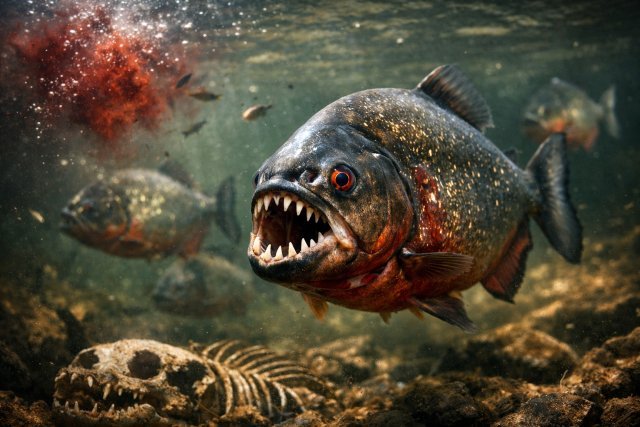
If you’ve searched for Piragnia, you’re not alone — and you’re probably looking for the fish most people mean when they say “piranha.” In many corners of the internet, Piragnia is used as a misspelling or alternate spelling of piranha, the notorious South American river fish famous for sharp teeth and horror-movie reputation.
- What Is Piragnia?
- Why Piragnia Got Such a Scary Reputation
- Where Piragnia Lives
- The Real Piragnia Diet: Not Just Flesh
- How Strong Is a Piragnia Bite?
- Do Piragnia (Piranhas) Actually Attack Humans?
- The Conditions That Make Piragnia Encounters Riskier
- Piragnia vs “Piranha-Like” Fish: A Common Confusion
- What Piragnia Actually Does in the River Ecosystem
- If You’re Traveling: How to Stay Safe Around Piragnia
- Piragnia in Aquariums: What Most Beginners Get Wrong
- Common Piragnia Questions
- Conclusion: The Truth About Piragnia
Here’s the shocker: the real story is both less terrifying and far more interesting. Piranhas (often searched as Piragnia) are not mindless “man-eaters.” They’re part of a diverse family of fishes with diets that range from carnivory to fruit-and-seed eating relatives (like pacus). They play important ecological roles, and most human bites are situational — not the cinematic feeding frenzy people expect.
What Is Piragnia?
Piragnia is commonly used online to refer to piranhas, freshwater fish in the family Serrasalmidae — a group that includes piranhas and pacus. Scientists and fish databases typically use “piranha,” and the best-supported taxonomy places well-known species like the red-bellied piranha in the genus Pygocentrus.
So, if you’re asking “What is Piragnia?” the most accurate definition is:
Piragnia (piranha) = a serrasalmid fish native to South American river systems, known for strong jaws, sharp teeth, and opportunistic feeding behavior.
Why Piragnia Got Such a Scary Reputation
The Piragnia/piranha myth machine has been running for over a century — fueled by sensational stories, staged demonstrations, and modern viral clips that strip all context away.
In reality, scientific observations show that the “man-eater” legend likely gained traction because piranhas sometimes scavenge, including documented cases of feeding on human corpses. That’s grim, but it’s also very different from healthy people being hunted and killed. A classic paper reports cases of piranhas scavenging on corpses and notes the lack of authenticated records of people being attacked and killed in the dramatic way folklore suggests.
That distinction matters, because scavenging is common in nature — and it’s part of what makes river ecosystems function.
Where Piragnia Lives
When people say Piragnia, they’re usually talking about piranhas native to tropical and subtropical South America, especially major basins like the Amazon, Orinoco, and Paraná–Paraguay systems (depending on species).
Habitat conditions they prefer
Piranhas tend to thrive in freshwater habitats with warm temperatures and plenty of cover (vegetation, submerged wood, murky water). They’re adaptable across different river types, but the big theme is: food availability + shelter + seasonal water changes.
Those seasonal changes are a huge part of why Piragnia/piranha “danger” is so misunderstood.
The Real Piragnia Diet: Not Just Flesh
A lot of people imagine every “Piragnia” is a pure meat-eater. But the broader serrasalmid family is famously diverse. Even within piranhas, diets can shift with age, habitat, and seasonal availability.
Some serrasalmids are major plant and fruit eaters (pacus), while the more “classic” piranha group includes predatory and scavenging species.
Why that matters
This is the first big “shocking truth” behind Piragnia: the family isn’t built around a single horror-movie feeding style. It’s a spectrum — from plant-focused to opportunistic carnivores.
How Strong Is a Piragnia Bite?
Now for the part that does live up to the hype: piranhas can have extremely powerful bites for their size.
A well-known scientific study on living and extinct piranhas (including black piranha measurements) analyzed jaw mechanics and bite performance, highlighting exceptionally strong bite forces relative to body size.
There’s also more recent biomechanics work examining piranha bite force scaling and mechanics within Serrasalmidae.
The practical takeaway
A Piragnia/piranha is not “dangerous” because it’s an unstoppable predator of humans. It’s dangerous because:
It has sharp, interlocking teeth designed to shear.
It has jaw leverage and muscle optimized for force.
If you handle one carelessly — especially in fishing or aquariums — you can get seriously injured.
Even the USGS fact sheet on red piranha notes that while the danger to humans is often exaggerated, care must be taken in handling live individuals.
Do Piragnia (Piranhas) Actually Attack Humans?
Yes, bites happen — but usually in specific scenarios, and most incidents are minor injuries (often toes, feet, hands).
The strongest research-backed explanation for where the “piranha frenzy” story comes from is that piranhas can become more defensive or more competitive for food during stressful conditions — especially when water levels drop and fish get concentrated into smaller areas. That “dry season concentration” concept shows up repeatedly in ecology discussions about why risk changes with conditions.
A quick Myth vs Reality table
| Claim about Piragnia | What’s more accurate | Why |
|---|---|---|
| “They hunt people” | Most bites are situational | Low water, stress, food scarcity, provocation |
| “They swarm any swimmer” | Mass attacks are rare | Schooling ≠ coordinated feeding frenzy |
| “They strip bodies instantly” | Often exaggerated or staged | Scavenging and context drive dramatic scenes |
The Conditions That Make Piragnia Encounters Riskier
If you want a realistic mental model, think “risk factors,” not “monster fish.”
1) Low water and crowding
During dry seasons, shrinking water bodies can concentrate fish populations, increasing competition and agitation.
2) Bleeding fish, bait, or discarded scraps near swimmers
Piranhas are opportunistic. Fishing activity + wounded prey cues can draw attention.
3) People feeding wildlife
This doesn’t just apply to piranhas. Conditioning fish to associate humans with food is a recipe for bites — sometimes from non-piranha species too.
Piragnia vs “Piranha-Like” Fish: A Common Confusion
Another shocking truth: sometimes “piranha attack” headlines aren’t even about piranhas.
Many serrasalmids (and even unrelated fish) can bite. Pacus, for example, have strong, human-like teeth for crushing plant matter. That’s one reason you’ll see scary stories that blur species ID.
When you see sensational news, a good rule is: look for the species name and a credible scientific/agency source, not just “piranha-like fish.”
What Piragnia Actually Does in the River Ecosystem
This is the part almost nobody talks about — and it’s arguably the most important.
Piranhas are:
Predators that help regulate fish populations
Scavengers that help recycle nutrients
Prey for larger animals (yes, piranhas get eaten too)
They’re part of a broader serrasalmid picture that includes species contributing to seed dispersal and plant ecology (through fruit/seed diets in related groups).
If You’re Traveling: How to Stay Safe Around Piragnia
If your “Piragnia” search is really about swimming, river tours, or Amazon travel, these tips are practical and realistic:
Avoid swimming near active fishing spots or where fish waste is dumped.
Ask local guides about seasonal water levels and recent bite reports.
Don’t enter stagnant pools during extreme low water.
If you get a minor bite, clean it promptly and seek local medical advice — freshwater wounds can get infected.
These steps aren’t fearmongering — they’re just the same common sense you’d use anywhere wildlife and water mix.
Piragnia in Aquariums: What Most Beginners Get Wrong
Red-bellied piranhas (Pygocentrus nattereri) are common in the aquarium trade, but they’re not a beginner fish.
The USGS species profile highlights both their popularity and the need for careful handling, noting that their “man-eater” reputation is exaggerated but still warning about risk when handling live fish.
Real-world aquarium scenario
A lot of injuries happen during routine tasks:
Moving a fish between tanks
Cleaning when fish are startled
Trying to hand-feed or “show off”
If you keep Piragnia/piranhas, plan your tank maintenance like you’re handling a powerful animal — because you are.
Common Piragnia Questions
Is Piragnia a real species?
“Piragnia” is commonly used online as a spelling variant for piranha. Scientific sources typically use “piranha,” within the family Serrasalmidae.
Can Piragnia kill a human?
The dramatic idea of healthy swimmers being rapidly killed is not supported in the way pop culture suggests. The scientific literature discusses scavenging on corpses and emphasizes how myths can emerge from necrophagy rather than active predation on living humans.
Why do Piragnia bite people sometimes?
Most bites are linked to specific conditions like low water, crowding, stress, and opportunistic behavior — often resulting in minor injuries.
How strong is a Piragnia bite?
Piranhas are known for extremely strong bites relative to size, explained by jaw muscle mass and lever mechanics in scientific studies of piranha bite forces.
Where do Piragnia live?
They’re native to South American freshwater systems, and distribution varies by species (for example, well-known Pygocentrus species occur across major river basins).
Conclusion: The Truth About Piragnia
The “shocking truth” behind Piragnia is that the scariest part isn’t a Hollywood feeding frenzy — it’s how confidently misinformation spreads.
Piragnia (piranhas) are real, powerful river fish with strong jaws and sharp teeth, backed by biomechanical research on bite force and jaw leverage. But they’re also misunderstood animals whose “man-eater” legend is strongly linked to context, including documented scavenging on corpses rather than confirmed stories of healthy people being hunted.