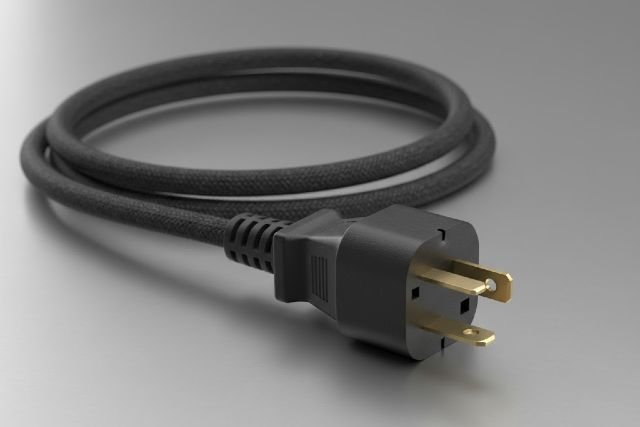
A NEMA 5 15 Plug is one of the most widely used electrical connectors in North America. You’ll find it on everyday appliances, power tools, chargers, and office equipment. Within the first 100 words, it’s clear that understanding this plug is essential for homeowners, electricians, and DIY users. The NEMA 5-15 is the standard 120-volt, 15-amp plug that powers most household electronics. Whether you’re installing a replacement plug, wiring a new device, or ensuring outlet compatibility, knowing how the NEMA 5-15 plug works helps prevent electrical hazards and ensures proper performance.
- Key Specifications
- 1. Household Appliances
- 2. Electronics and Office Equipment
- 3. Power Tools
- 4. Commercial and Industrial Use
- 5. Medical Equipment
- 6. Battery Chargers and Power Supplies
- Tools You’ll Need
- Step-by-Step Installation Guide
- 1. Disconnect Power
- 2. Strip the Cable
- 3. Strip Individual Wires
- 4. Identify the Terminals on the Plug
- 5. Secure Each Wire
- 6. Assemble the Plug Housing
- 7. Test the Plug
- 1. Do Not Exceed the 15-Amp Limit
- 2. Use Properly Grounded Outlets
- 3. Inspect for Damage
- 4. Avoid Daisy Chaining Power Strips
- 5. Use GFCI Outlets Near Water
This guide covers common applications, wiring instructions, safety tips, diagrams, and expert installation advice to help you use this plug correctly and confidently.
What Is a NEMA 5 15 Plug?
A NEMA 5 15 Plug (often written as NEMA 5-15P) is the most common plug type used in the United States, Canada, and parts of Mexico. It’s a grounded, three-prong connector standardized by the National Electrical Manufacturers Association (NEMA).
Key Specifications
- Voltage: 120V AC
- Current rating: 15 amps
- Poles: 2
- Wires: 3 (Hot, Neutral, Ground)
- Prongs: Two flat blades + one round grounding pin
- Frequency: 60 Hz
- Plug type: NEMA 5-15P
- Matching outlet: NEMA 5-15R
The plug supports a maximum power load of 1,800 watts at 120V.
NEMA 5 15 Plug: Common Applications
The NEMA 5-15 plug is used in thousands of everyday products. Below are the most common categories.
1. Household Appliances
Many home devices rely on the standard 120V/15A connection.
Examples:
- Toasters
- Microwaves
- Coffee makers
- Lamps
- Fans
- Small refrigerators
- Air purifiers
- Smart home devices
Anything under 1,800 watts can safely use a NEMA 5-15 plug.
2. Electronics and Office Equipment
Most consumer electronics come equipped with this plug.
Examples:
- Computers and monitors
- Printers
- Routers and modems
- TV sets
- Gaming consoles
- Chargers for phones and laptops
Since these devices typically draw low wattage, the NEMA 5-15 plug is ideal.
3. Power Tools
Many indoor and light-duty outdoor power tools use this connector.
Examples:
- Drills
- Jigsaws
- Sanders
- Shop vacuums
- Soldering stations
For high-wattage tools, such as table saws or compressors, a 20-amp plug may be required instead.
4. Commercial and Industrial Use
Although lighter than dedicated industrial connectors, NEMA 5-15 plugs are common in commercial settings.
Applications include:
- Office workstations
- POS systems
- Lab equipment
- Light-duty machinery
- Testing equipment
5. Medical Equipment
Many hospital-grade plugs use a NEMA 5-15P design with reinforced grounding for safety.
These are found on:
- Infusion pumps
- Small diagnostic machines
- Monitors and portable devices
6. Battery Chargers and Power Supplies
36V, 48V, and 12V battery chargers commonly use the NEMA 5-15 plug for their AC input.
Used for:
- E-bike chargers
- Scooter chargers
- Small inverter chargers
- Solar system chargers
NEMA 5 15 Plug Wiring Color Code
Standard U.S. Wiring Colors:
- Black = Hot (Line)
- White = Neutral
- Green or Bare Copper = Ground
These must be connected correctly to ensure safety and prevent shock hazards.
How to Install or Replace a NEMA 5 15 Plug
Below is a professional step-by-step guide for installing a NEMA 5-15P plug.
Tools You’ll Need
- Wire stripper
- Screwdriver
- Utility knife
- Replacement plug
- Electrical tape
- Voltage tester
Step-by-Step Installation Guide
1. Disconnect Power
Unplug the cord or turn off the breaker supplying power.
2. Strip the Cable
Remove the outer insulation (about 1–1.5 inches) to expose the black, white, and green wires.
3. Strip Individual Wires
Strip each conductor about ½ inch from the end.
4. Identify the Terminals on the Plug
Most NEMA 5-15 plugs label terminals as:
- Brass → Hot (Black wire)
- Silver → Neutral (White wire)
- Green → Ground (Green/Bare wire)
5. Secure Each Wire
Wrap each conductor clockwise around the screws:
- Black → Brass
- White → Silver
- Green → Green
Tighten screws firmly to prevent loose contacts.
6. Assemble the Plug Housing
Secure the casing tightly to prevent strain on the wires.
7. Test the Plug
Use a voltage tester to confirm proper wiring before use.
NEMA 5 15 Plug Diagram
Safety Tips for Using a NEMA 5 15 Plug
1. Do Not Exceed the 15-Amp Limit
Running devices above 1,800W can:
- Trip breakers
- Overheat wiring
- Damage outlets
2. Use Properly Grounded Outlets
The grounding pin prevents:
- Fires
- Device failure
- Shock hazards
Never remove or bypass the ground pin.
3. Inspect for Damage
Look for:
- Cracks
- Melted plastic
- Loose prongs
- Exposed wires
Replace damaged plugs immediately.
4. Avoid Daisy Chaining Power Strips
This can overload circuits and cause electrical fires.
5. Use GFCI Outlets Near Water
Kitchens, bathrooms, and outdoor areas require GFCI outlets with NEMA 5-15 compatibility.
Comparison Table: NEMA 5 15 Plug vs NEMA 5 20 Plug
| Feature | NEMA 5-15 | NEMA 5-20 |
|---|---|---|
| Voltage | 120V | 120V |
| Current | 15A | 20A |
| Max wattage | 1,800W | 2,400W |
| Blade design | Standard | T-shaped neutral |
| Uses | Everyday devices | High-power tools & appliances |
Common Problems With NEMA 5 15 Plugs (and Solutions)
1. Plug Feels Hot
Cause: Overloaded circuit or loose connection
Solution: Reduce load; tighten wires.
2. Plug Falls Out of Outlet
Cause: Worn outlet contacts
Solution: Replace outlet with new NEMA 5-15R device.
3. Sparks When Plugging In
Cause: Damaged cord or internal short
Solution: Replace plug immediately.
4. Device Not Powering On
Cause: Wrong wiring (hot/neutral reversed)
Solution: Re-check wiring diagram and retighten terminals.
Frequently Asked Questions (FAQ)
Is a NEMA 5 15 plug the same as a normal household plug?
Yes — this is the standard plug found in most North American homes.
Can I use a NEMA 5-15 plug on a 20-amp outlet?
Yes — NEMA 5-20R outlets accept NEMA 5-15P plugs.
What wire gauge should I use for a 5-15 plug?
Typically 14 AWG for 15-amp circuits.
Can I replace a NEMA 5-15 plug myself?
Yes, if you follow proper wiring instructions and safety steps.
Conclusion
A NEMA 5 15 Plug is the most common and versatile electrical connector used across homes, offices, commercial buildings, and light-duty industrial settings. From small appliances to electronics and power tools, it delivers reliable 120V/15A power for everyday use. By understanding its applications, wiring layout, safety requirements, and installation tips, you can use this plug safely and ensure your devices operate properly.
Always follow proper electrical procedures, use the correct wire colors, and replace damaged plugs immediately for maximum safety and performance.