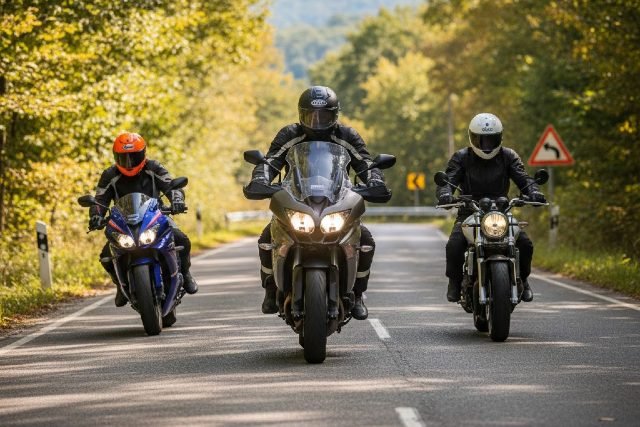
Riding a Motorcycle offers freedom, excitement, and a thrilling open-road experience — but it also comes with unique risks. Motorcyclists are far more vulnerable than car drivers because they lack the structural protection that vehicles provide. According to the NHTSA, motorcyclists are 28 times more likely to die in a crash compared to occupants in passenger vehicles.
This guide will help you ride smarter, safer, and better with proven motorcycle safety tips backed by expert recommendations, research, and real-world rider insights.
What Makes Motorcycle Riding Risky?
Before exploring safety strategies, it’s important to understand the primary risks motorcyclists face on the road.
Top Risk Factors Include:
- Limited rider protection
- Reduced visibility compared to cars
- Road hazards like gravel, potholes, and debris
- Harsh weather conditions
- Speed-related accidents
- Inexperience or lack of proper training
By understanding these risks, riders can take effective steps to protect themselves.
1. Wear the Right Motorcycle Gear Every Time
Wearing protective gear drastically reduces the severity of injuries in an accident.
Essential Motorcycle Gear Checklist
| Gear | Why It’s Important |
|---|---|
| Helmet | Reduces head injury risk by 69% (WHO data) |
| Jacket | Protects against abrasion & impact |
| Gloves | Better grip & hand protection |
| Boots | Shields ankles and feet |
| Armored Pants | Prevent serious leg injuries |
| Eye Protection | Helps avoid dust, insects, debris |
Choose a DOT or ECE-Certified Helmet
Certified helmets offer the best impact protection. Full-face helmets provide maximum coverage.
2. Maintain Your Motorcycle Regularly
A well-maintained motorcycle is safer, smoother, and more responsive.
Motorcycle Maintenance Checklist
- Inspect tire pressure & tread depth
- Check brakes
- Test lights & signals
- Change oil & fluids regularly
- Inspect chain tension
- Keep mirrors clean & aligned
- Check suspension condition
Refer to your motorcycle’s owner manual for exact service intervals.
3. Take Professional Motorcycle Training
Even experienced riders benefit from refresher training.
Recommended Training Programs:
- Motorcycle Safety Foundation (MSF) courses
- Advanced rider or cornering techniques classes
- Defensive riding courses
Training improves reaction time, risk awareness, and overall confidence.
4. Practice Defensive Riding Techniques
Defensive riding means anticipating danger before it happens.
Key Defensive Riding Tips
- Stay visible — avoid blind spots
- Keep a safe following distance
- Scan mirrors frequently
- Watch for driver behavior patterns
- Avoid riding between large vehicles
- Expect other drivers not to see you
Motorcycles are often overlooked — your job is to stay predictable and in clear view.
5. Be Weather-Smart: Adjust Your Riding Style
Weather conditions significantly affect motorcycle safety.
In Rain or Wet Roads:
- Reduce speed
- Avoid sudden braking
- Increase following distance
- Watch for rainbow-colored oil patches
- Use smooth throttle inputs
In Hot Weather:
- Wear ventilated protective gear
- Stay hydrated
- Watch for fatigue
In Cold Weather:
- Use thermal riding gear
- Be cautious of ice or frost
- Pre-warm the engine
6. Master Motorcycle Cornering Techniques
Improper cornering causes many single-rider crashes.
Cornering Safety Tips:
- Look where you want to go
- Slow down before entering the turn
- Smoothly accelerate out
- Maintain steady body position
- Use counter-steering for quick turns
Practice in controlled environments before applying advanced techniques on open roads.
7. Avoid High-Risk Riding Behaviors
Unsafe riding dramatically increases crash risks.
Behaviors to Avoid:
- Speeding
- Riding under the influence
- Lane splitting (where illegal)
- Aggressive passing
- Tailgating
- Distracted riding (phones, devices)
Riders who avoid these behaviors reduce accident risk by over 50%, according to IIHS research.
8. Stay Visible: Make Other Drivers See You
Visibility is one of the biggest challenges motorcyclists face.
How to Improve Visibility:
- Wear bright or reflective gear
- Use your headlights — even in daylight
- Avoid lingering in blind spots
- Use hand signals along with indicators
- Position yourself strategically in traffic
- Install auxiliary LED lights if needed
9. Choose the Right Motorcycle for Your Skill Level
Many riders start with bikes that are too powerful.
Beginner-Friendly Motorcycle Types:
- 250cc–400cc sport bikes
- Standard / naked bikes
- Lightweight cruisers
- Dual-sport motorcycles
Start with a manageable engine size and upgrade as you gain experience.
10. Practice Emergency Maneuvers
Every rider should know how to quickly handle unexpected hazards.
Essential Maneuvers to Practice:
- Quick stops
- Swerving
- Emergency braking
- Evasive steering
- Controlled skidding (in training environments)
Practicing these techniques helps build muscle memory.
11. Inspect Road Conditions Before and During Riding
Road hazards are especially dangerous for motorcycles.
Common Hazards:
- Loose gravel
- Potholes
- Wet leaves
- Construction zones
- Painted road lines (slippery when wet)
- Railroad tracks
Avoid hazards when possible and slow down in uncertain areas.
12. Ride Within Your Limits & Use Good Judgment
Never feel pressured to keep up with faster riders or groups.
Simple Rules:
- Don’t ride tired
- Avoid emotional riding
- Stop when visibility is poor
- Ride at a pace you control safely
Your safety is more important than speed.
Advanced Motorcycle Safety Tips (Expert Level)
1. Use ABS (Anti-lock Braking System)
Motorcycles with ABS reduce crash involvement by 37% (IIHS).
2. Upgrade Tires Based on Riding Style
Sport, touring, dual-sport — each requires the correct tire compound.
3. Use a Smart Helmet
Smart helmets include:
- Built-in cameras
- Bluetooth
- HUD displays
- Crash detection
4. Add Stability or Traction Control (if available)
Modern bikes include advanced safety electronics.
Motorcycle Safety Tips for Passengers
Passengers should:
- Wear the same protective gear
- Hold onto the rider or grab rails
- Keep feet on the pegs
- Lean with the bike, not against it
A well-informed passenger improves overall motorcycle balance.
Case Study: How Safety Training Prevented a Major Accident
Rider: Mark, 29, intermediate rider
Scenario: Sudden car lane-change
Action: Mark used emergency swerving learned from an MSF course
Outcome: Avoided collision without falling
Continuous safety education is one of the strongest defenses riders have.
Frequently Asked Questions (FAQ)
1. What is the #1 cause of motorcycle accidents?
Other drivers turning left in front of motorcycles (NHTSA).
2. What gear should every rider wear?
Helmet, jacket, gloves, boots, and protective pants.
3. Do motorcycle safety courses really help?
Yes — riders with training experience are significantly safer.
4. What type of motorcycle is best for beginners?
Lightweight bikes between 250cc and 400cc.
5. Are motorcycles dangerous?
They carry more risk than cars, but proper safety measures drastically reduce accidents.
Conclusion: Motorcycle Safety Is a Lifelong Commitment
Riding a Motorcycle can be incredibly rewarding, but safety must always come first. By wearing proper gear, maintaining your bike, practicing defensive riding, improving visibility, and continuously learning new skills, you can ride smarter, safer, and better every time you hit the road.
Motorcycle safety isn’t just a checklist — it’s a mindset that protects you and those around you.