
Masgonzola is a rich, creamy cheese fusion that combines the buttery smoothness of mascarpone with the bold complexity of gorgonzola (usually the milder Gorgonzola Dolce style). The result is a luxuriously soft, spreadable cheese with delicate blue veining, offering a balanced profile of sweet creaminess and gentle tang.
- Why Masgonzola Is So Popular with Cheese Lovers
- Masgonzola Taste Profile: What Does It Really Taste Like?
- Masgonzola vs. Gorgonzola vs. Mascarpone: Key Differences
- How Masgonzola Is Made (And Why the Blue Veins Matter)
- Is Masgonzola a “Real” Italian Cheese?
- How to Eat Masgonzola (Best Serving Ideas)
- Best Wine Pairings for Masgonzola
- Masgonzola in Cooking: Why Chefs Love It
- Top 5 Masgonzola Recipes (Without Being Complicated)
- Masgonzola Nutrition: Is It Healthy?
- How to Store Masgonzola (And Avoid Ruining It)
- Where to Buy Masgonzola
- Common Masgonzola Questions
- When Masgonzola Saves the Dinner
- Actionable Tips for Using Masgonzola Like an Expert
- Conclusion: Why Masgonzola Deserves a Spot in Your Fridge
If you love blue cheese but sometimes find it too aggressive — or if you adore mascarpone and want a savory twist — Masgonzola is your perfect middle ground.
Why Masgonzola Is So Popular with Cheese Lovers
Within the world of gourmet cheese, Masgonzola feels like a modern classic. It bridges two extremes: mascarpone’s mild richness and gorgonzola’s distinct pungency.
Here’s why that matters:
Mascarpone is not technically a traditional cheese in the strict curd sense — it’s made through acid-heat coagulation of cream, creating an ultra-soft, high-fat texture prized in desserts and savory cooking. Britannica describes it as an Italian cream cheese with a rich, creamy nature and strong culinary identity.
Gorgonzola, on the other hand, is a historically protected Italian blue cheese with PDO/DOP recognition, meaning it follows regulated production standards and can only be produced in specific regions of Italy. The official Gorgonzola consortium explains that protection and compliance have been overseen by the state-supervised Consortium since 1970.
Masgonzola takes inspiration from both and creates something that’s approachable, versatile, and incredibly indulgent.
Masgonzola Taste Profile: What Does It Really Taste Like?
If you’ve never tried Masgonzola, you may wonder if it’s closer to mascarpone or closer to gorgonzola. The answer is: both, but softer.
Flavor
Masgonzola typically tastes:
- Creamy and buttery upfront (mascarpone-like)
- Mildly salty and tangy in the mid-palate
- Slightly earthy, with a gentle blue finish
Instead of sharp blue bite, Masgonzola tends to offer a rounded, mellow blue character, making it friendly to blue cheese beginners.
Texture
Expect a texture that’s:
- soft
- spreadable
- silky
- sometimes slightly whipped
This makes it perfect for sauces, spreads, and fillings, and it melts beautifully compared to firmer blue cheeses.
Masgonzola vs. Gorgonzola vs. Mascarpone: Key Differences
Masgonzola is sometimes misunderstood as simply “gorgonzola with mascarpone,” but the experience is different.
Masgonzola vs. Gorgonzola
Gorgonzola (especially the stronger Piccante) has a sharper bite and more intense aroma. It also has strict DOP rules controlling production.
Masgonzola is usually milder, creamier, and more flexible in use.
Masgonzola vs. Mascarpone
Mascarpone is sweet, neutral, and commonly used in desserts like tiramisu. It is made from cream using acids rather than rennet.
Masgonzola retains mascarpone’s richness but adds a savory blue complexity.
How Masgonzola Is Made (And Why the Blue Veins Matter)
At its heart, Masgonzola is a fusion cheese. The blue character comes from molds similar to those used in traditional blue cheese production, often involving species like Penicillium roqueforti — the classic blue-cheese mold used globally. Britannica explains that this mold is commonly used in blue cheeses and is considered safe in controlled production environments.
The mascarpone component adds:
- higher fat
- smoother mouthfeel
- sweetness and balance
That fat content acts like a “volume knob,” turning down the sharpness of the blue cheese while preserving complexity.
Is Masgonzola a “Real” Italian Cheese?
This is a common question — and a good one.
Gorgonzola is officially protected under the PDO/DOP system, meaning “Gorgonzola” is a regulated designation tied to geography and production standards.
Masgonzola, however, is more of a modern culinary innovation rather than a protected designation. Think of it like Cambozola (a blue brie hybrid): it’s not a centuries-old DOP product, but it’s still a legitimate and respected cheese category, particularly among artisan producers.
So yes — Masgonzola is “real,” but it’s not a DOP-certified product in the same way as traditional Gorgonzola.
How to Eat Masgonzola (Best Serving Ideas)
Masgonzola is at its best when served slightly warmer than fridge-cold, because the fat and creaminess need time to open up.
The simplest way
Let it rest at room temperature for about 15–20 minutes, then spread it on:
- warm bread
- crackers
- crostini
Add honey or fig jam and you’ll immediately understand the hype.
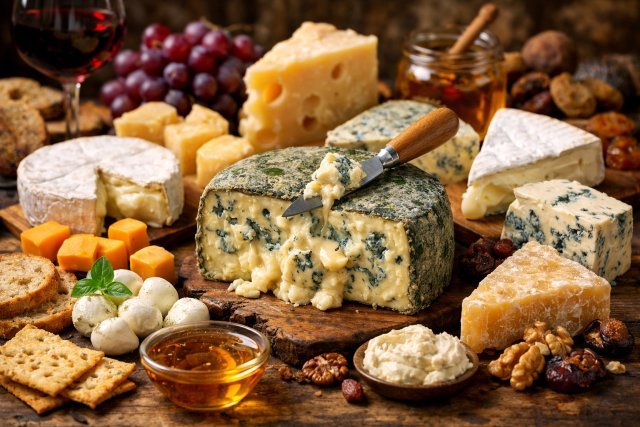
The “cheese board upgrade”
Masgonzola pairs beautifully with:
- pears
- figs
- grapes
- walnuts
- almonds
That’s because the sweet fruit + creamy fat + gentle salt forms a perfect balance.
Best Wine Pairings for Masgonzola
Pairing is where Masgonzola really shines because it’s mild enough to work with multiple wine styles.
White wines
Try:
- Moscato d’Asti
- Riesling
- Gewürztraminer
The sweetness balances the salt and blue character.
Red wines
Lighter reds are better:
- Pinot Noir
- Barbera
- Chianti (young)
Dessert wines
If you want the ultimate pairing, go for:
- Sauternes
- Vin Santo
This is a classic strategy: sweet wine + blue cheese is a globally recognized pairing formula.
Masgonzola in Cooking: Why Chefs Love It
Masgonzola is one of those cheeses that instantly makes food taste “restaurant-level.”
Because it’s creamy and melts smoothly, it functions as:
- a sauce base
- a flavor enhancer
- a spread
- a filling
A similar concept is widely loved in recipes like mascarpone and gorgonzola pasta sauce, where the two cheeses create an ultra-creamy, rich sauce that needs minimal ingredients to taste luxurious.
Top 5 Masgonzola Recipes (Without Being Complicated)
1) Masgonzola Pasta Sauce
Warm cream or milk, melt Masgonzola gently, and toss with pasta. Add black pepper and walnuts for texture.
This is one of the easiest ways to experience Masgonzola’s “melt magic.”
2) Masgonzola Stuffed Chicken
Stuff chicken breasts with Masgonzola and spinach, then bake. The cheese keeps it moist and flavorful.
3) Masgonzola Risotto
Stir a spoonful in at the end instead of butter. You’ll get creamy richness with gentle blue depth.
4) Masgonzola Burger Spread
Mix Masgonzola with a little Greek yogurt or mayo, then spread on buns. Add caramelized onions.
5) Masgonzola Honey Crostini
Toast bread, spread Masgonzola, drizzle honey, add walnuts and cracked pepper. Easy appetizer that feels gourmet.
Masgonzola Nutrition: Is It Healthy?
Let’s be realistic: Masgonzola is an indulgence cheese. But that doesn’t make it “bad.”
Gorgonzola-style cheeses tend to be:
- high in fat
- moderate in protein
- rich in calcium
- relatively high in sodium
For example, typical nutrition estimates list around 350 calories per 100g for gorgonzola-style cheese.
Because Masgonzola includes mascarpone (which is high-fat cream-based), it may be even richer depending on the blend ratio.
The healthier way to enjoy it
Use Masgonzola as a flavor amplifier, not the whole meal:
- small portions
- pair with fruit and nuts
- use in sauces instead of heavy cream + butter combos
A little goes a long way.
How to Store Masgonzola (And Avoid Ruining It)
Masgonzola is delicate because of its creamy structure.
Storage rules
Keep it:
- tightly wrapped in parchment or wax paper
- inside an airtight container
- in the coldest part of the fridge
Avoid plastic wrap directly against the cheese for long periods, because it can trap moisture and affect flavor.
Shelf life
Once opened, use within 5–7 days for best quality, especially because mascarpone-based cheeses can spoil faster than aged cheeses.
Where to Buy Masgonzola
You can often find Masgonzola in:
- specialty cheese shops
- Italian delis
- gourmet grocery stores
- online cheese retailers
If you can’t find it by name, ask for:
- a mascarpone–gorgonzola blend
- “blue mascarpone”
- creamy blue spread cheese
Some stores may carry it under a brand-specific label instead of the generic “Masgonzola” name.
Common Masgonzola Questions
Is Masgonzola the same as gorgonzola?
No. Masgonzola is a creamy fusion cheese that blends mascarpone-like richness with gorgonzola’s blue flavor, making it milder and more spreadable.
Does Masgonzola taste strong?
Most versions are mild. It has gentle blue notes rather than the sharp bite of strong blue cheeses.
Can you melt Masgonzola?
Yes — and it melts very well. That’s why it’s popular for pasta sauces, risotto finishing, and creamy spreads.
Is Masgonzola safe to eat if it has mold?
Yes. Blue cheeses are made using controlled molds like Penicillium roqueforti, which are intentionally added and considered safe when produced properly.
What goes best with Masgonzola?
Fruits (pear, fig), honey, walnuts, and sweet wines are top-tier pairings.
When Masgonzola Saves the Dinner
Let’s say you’re hosting friends and want something impressive, but you don’t have time to cook a complex meal.
Here’s the Masgonzola trick:
You boil pasta, warm Masgonzola with a splash of milk, stir in black pepper and roasted walnuts, then toss everything together.
It takes 12 minutes, tastes like an Italian bistro dish, and looks like you planned it for hours.
That’s why chefs and home cooks love Masgonzola: it’s a shortcut to gourmet.
Actionable Tips for Using Masgonzola Like an Expert
If you want Masgonzola to taste its best, remember these rules:
Use it warm, not cold.
Pair it with sweetness.
Balance it with crunch.
Don’t overpower it with heavy spices.
Use it as a finishing cheese (especially in pasta and risotto) rather than cooking it aggressively for long periods.
That’s how you preserve its creamy character.
Conclusion: Why Masgonzola Deserves a Spot in Your Fridge
If you’ve been searching for a cheese that feels luxurious, tastes complex, and works across both casual snacks and gourmet recipes, Masgonzola is exactly what you need.
It takes the best parts of mascarpone — richness, softness, and elegance — and merges them with the bold Italian heritage of gorgonzola, a cheese protected under strict standards and known worldwide for its blue-veined brilliance.
Whether you spread Masgonzola on warm bread, melt it into pasta sauce, or elevate a cheese board with fruit and wine, it offers one of the most satisfying cheese experiences you can have without being “too intense.”