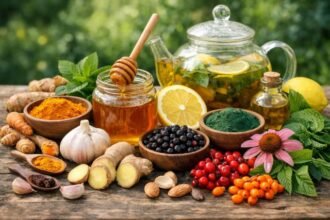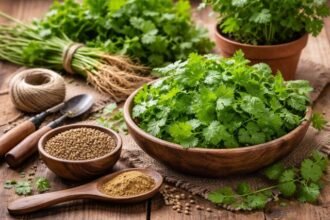
Foenegriek, also known as fenugreek, is one of the oldest medicinal herbs used by humans. For thousands of years, this powerful plant has been valued in traditional medicine, cooking, and herbal therapy. Today, modern science is beginning to confirm what ancient cultures already knew: Foenegriek contains remarkable health-promoting properties that can benefit digestion, metabolism, hormones, and overall wellness.
- What Is Foenegriek?
- The Historical Use of Foenegriek in Traditional Medicine
- Nutritional Profile of Foenegriek
- Health Benefits of Foenegriek
- How to Use Foenegriek in Your Daily Routine
- Potential Side Effects of Foenegriek
- Frequently Asked Questions About Foenegriek
- Practical Tips for Using Foenegriek Safely
- Conclusion: Why Foenegriek Deserves a Place in Your Wellness Routine
From ancient Egypt to Ayurvedic medicine in India, Foenegriek seeds and leaves have been used to support health naturally. Rich in fiber, antioxidants, and plant compounds, this humble herb has gained popularity worldwide as people look for natural remedies for blood sugar control, digestive health, and hormone balance.
In this comprehensive guide, we’ll explore the science behind Foenegriek, its surprising health benefits, practical uses, and how to safely incorporate it into your daily routine.
What Is Foenegriek?
Foenegriek (scientific name Trigonella foenum-graecum) is a plant belonging to the legume family. It produces small golden-brown seeds and green leaves that are widely used in cooking and herbal medicine.
The plant originates from the Mediterranean region, Western Asia, and parts of North Africa. Today it is widely cultivated in countries such as India, Egypt, Morocco, and Turkey.
Both the seeds and leaves of Foenegriek contain valuable nutrients and bioactive compounds, including:
- Dietary fiber
- Saponins
- Alkaloids
- Flavonoids
- Iron
- Magnesium
- Vitamins A, B, and C
According to research published in the Journal of Food Science and Technology, fenugreek seeds contain compounds that may help regulate blood sugar levels and improve metabolic health.
The Historical Use of Foenegriek in Traditional Medicine
Foenegriek has been used for over 4,000 years in traditional healing systems.
Ancient Egyptians used fenugreek seeds to treat fever and digestive problems. Historical records show that the herb was also used in embalming rituals.
In Ayurvedic medicine, Foenegriek has long been prescribed for:
- Digestive disorders
- Low energy and fatigue
- Hormonal imbalance
- Breast milk production in nursing mothers
Traditional Chinese Medicine also recognizes fenugreek as a warming herb used to support kidney function and circulation.
The longevity of its use across cultures highlights the strong therapeutic reputation of Foenegriek throughout history.
Nutritional Profile of Foenegriek
One reason Foenegriek has gained popularity is its impressive nutritional composition.
Fenugreek seeds are especially rich in soluble fiber, which plays a crucial role in digestion and metabolic health. The seeds also contain a compound called galactomannan, known for its ability to slow carbohydrate absorption.
Research from the National Institutes of Health (NIH) suggests fenugreek may help regulate glucose metabolism and improve insulin sensitivity.
Key nutrients found in Foenegriek include:
- Iron
- Magnesium
- Manganese
- Protein
- Vitamin B6
- Antioxidants
These nutrients contribute to many of the herb’s potential health benefits.
Health Benefits of Foenegriek
1. Foenegriek May Help Regulate Blood Sugar
One of the most researched benefits of Foenegriek is its potential role in blood sugar management.
Fenugreek seeds contain soluble fiber and plant compounds that may slow digestion and carbohydrate absorption. This process helps prevent sharp spikes in blood glucose levels.
A clinical study published in the International Journal for Vitamin and Nutrition Research found that individuals who consumed fenugreek seed powder experienced improved blood sugar control compared to those who did not.
This makes Foenegriek particularly interesting for people managing type 2 diabetes or insulin resistance.
2. Supports Healthy Digestion
Foenegriek is traditionally used as a natural digestive aid. Its high fiber content supports healthy bowel movements and promotes gut health.
The seeds may also help relieve symptoms such as:
- constipation
- bloating
- acid reflux
- stomach inflammation
In traditional herbal medicine, fenugreek tea is often used to soothe the digestive tract and support healthy gut microbiota.
3. Foenegriek and Hormonal Balance
Another well-known benefit of Foenegriek is its potential effect on hormones.
Research suggests fenugreek may help regulate testosterone levels in men and support libido. Some studies also indicate it may help reduce symptoms of menopause in women.
A study published in Phytotherapy Research reported that fenugreek supplementation significantly improved sexual function and testosterone levels in male participants.
These findings suggest Foenegriek may have natural hormone-supporting properties.
4. May Increase Breast Milk Production
Foenegriek is widely used as a galactagogue, meaning it may help stimulate breast milk production in nursing mothers.
Some studies indicate that fenugreek tea or capsules may increase milk supply within a few days of use.
According to the National Center for Complementary and Integrative Health, fenugreek is one of the most commonly used herbal supplements among breastfeeding women.
However, medical supervision is recommended before using herbal supplements during breastfeeding.
5. Foenegriek May Support Heart Health
The fiber and antioxidant compounds in Foenegriek may contribute to better cardiovascular health.
Studies suggest fenugreek may help:
- lower LDL cholesterol
- reduce triglycerides
- improve overall lipid profiles
These effects may help reduce the risk of heart disease when combined with a balanced diet and healthy lifestyle.
How to Use Foenegriek in Your Daily Routine
Foenegriek can be consumed in several ways depending on your preferences and health goals.
Foenegriek Seeds
The seeds are the most common form used for health purposes. They can be soaked overnight and consumed in the morning.
Foenegriek Powder
Ground fenugreek seeds can be added to smoothies, herbal drinks, or cooking recipes.
Foenegriek Tea
Fenugreek tea is often used to support digestion and metabolism.
Foenegriek Supplements
Capsules and extracts are available for those seeking concentrated doses.
Before using supplements, it is best to consult a healthcare professional.
Potential Side Effects of Foenegriek
Although Foenegriek is generally considered safe, some individuals may experience mild side effects.
Possible reactions include:
- digestive discomfort
- body odor resembling maple syrup
- allergic reactions (rare)
High doses may also interact with certain medications, particularly those related to blood sugar regulation.
Pregnant women should avoid fenugreek unless advised by a medical professional.
Frequently Asked Questions About Foenegriek
What is Foenegriek used for?
Foenegriek is commonly used to support digestion, regulate blood sugar levels, improve hormone balance, and enhance breast milk production.
Is Foenegriek the same as fenugreek?
Yes. Foenegriek is the Dutch and Afrikaans name for fenugreek, the herb scientifically known as Trigonella foenum-graecum.
How long does Foenegriek take to work?
Effects may vary depending on the purpose. For example, digestive benefits may appear within days, while hormonal or metabolic benefits may take several weeks of consistent use.
Can Foenegriek help with weight loss?
Some studies suggest fenugreek may promote satiety and reduce appetite due to its high fiber content. However, it should not be considered a standalone weight-loss solution.
Practical Tips for Using Foenegriek Safely
Start with small amounts when introducing Foenegriek into your diet. This helps your digestive system adjust to the herb.
Choose high-quality organic fenugreek seeds or supplements to avoid contamination.
If you have diabetes, monitor your blood sugar levels carefully when using Foenegriek because it may enhance glucose-lowering effects.
Combining Foenegriek with a balanced diet, regular exercise, and healthy lifestyle habits can maximize its benefits.
Conclusion: Why Foenegriek Deserves a Place in Your Wellness Routine
Foenegriek is far more than a simple kitchen spice. This ancient herb offers a wide range of science-backed health benefits, from supporting digestion and balancing blood sugar to promoting hormonal health.
Used for centuries across multiple cultures, Foenegriek continues to prove its value in modern wellness practices. Its rich nutritional profile and therapeutic compounds make it a powerful natural remedy for those seeking holistic health solutions.
Whether consumed as Foenegriek seeds, tea, powder, or supplements, this ancient herb has the potential to support your health in meaningful ways. As always, consult a healthcare professional before beginning any herbal supplement routine.
With growing scientific interest and centuries of traditional use, Foenegriek remains one of the most fascinating and beneficial herbs in natural medicine.