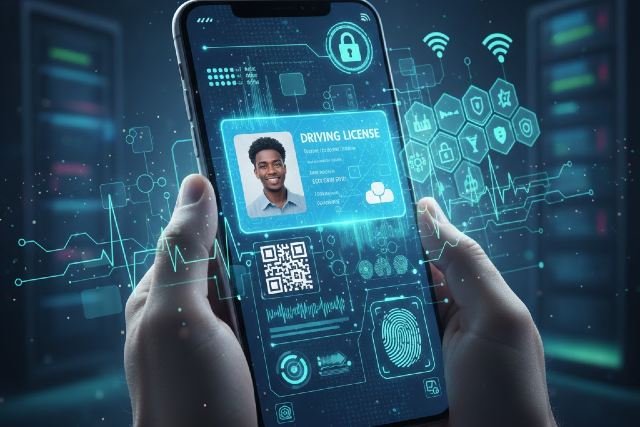
As technology modernises every aspect of daily life, Digital Driving Licences are emerging as a major upgrade to traditional plastic driver cards. Stored securely on smartphones or digital identity wallets, these licences offer convenience, enhanced authentication, and improved protection against fraud. Over the coming years, many countries are expected to adopt digital licence frameworks, reflecting global shifts toward secure digital identity systems.
- What Are Digital Driving Licences?
- Why Digital Driving Licences Are Gaining Popularity
- 1. Encrypted Digital Identity Storage
- 2. Selective Data Disclosure
- 3. Real-Time Updates
- 4. Offline Verification
- 5. Enhanced Fraud Protection
- 6. Multi-Platform Access
- 1. Cryptographic Signing Using Government Certificates
- 2. Device-Bound Credentials
- 3. Multi-Layer Encryption
- 4. Biometric Authentication
- 5. Compliance with International Standards
This guide explains everything you need to know about Digital Driving Licences, including how they work, their security features, benefits, risks, and real-world applications.
What Are Digital Driving Licences?
Digital Driving Licences are electronic versions of traditional driving licences stored on a mobile device, such as a smartphone app or digital ID wallet. They contain the same verified identity information but use advanced encryption and authentication to keep data secure.
Many governments, transportation authorities, and international standards bodies are working on digital ID infrastructure to support this move. For example, the ISO/IEC 18013-5:2021 standard outlines how mobile driving licences (mDLs) should be developed, stored, and shared securely.
Why Digital Driving Licences Are Gaining Popularity
The adoption of digital identity innovations is driven by:
- Rising smartphone usage
- Demand for secure authentication
- Faster, contactless verification requirements
- Increasing cases of identity fraud
- Government digital transformation programmes
Digital Driving Licences provide a streamlined and secure alternative to physical cards, offering users greater control over how their data is shared.
Key Features of Digital Driving Licences
1. Encrypted Digital Identity Storage
Digital Driving Licences are protected using:
- End-to-end encryption
- Device-bound security keys
- Biometric authentication (Face ID, fingerprint)
- Tamper-resistant digital signatures
This ensures only the rightful licence holder can access or share the licence.
2. Selective Data Disclosure
Unlike physical cards, Digital Driving Licences let users share only the information required.
For example, during age verification, a digital licence can show “Verified: Over 18” without exposing:
- Home address
- Full date of birth
- Licence number
This dramatically improves privacy and reduces the risk of identity theft.
3. Real-Time Updates
Authorities can update digital licences instantly to reflect:
- New categories added
- Points or penalties
- Renewals or expiry changes
- Address updates
- Restrictions or endorsements
This removes the need to wait for a replacement card in the post.
4. Offline Verification
Digital Driving Licences can be scanned securely without requiring an internet connection.
Verification devices use offline cryptographic keys to validate authenticity.
This makes digital licences practical for:
- Roadside police checks
- Nightclubs and venues
- Airports
- Rental car services
5. Enhanced Fraud Protection
Physical licences can be forged — but digital ones are far harder to manipulate.
Security features include:
- Cryptographic certificates
- On-device secure elements (similar to Apple Pay and Google Wallet)
- Anti-cloning technology
- Automatic detection of altered data
6. Multi-Platform Access
Digital licences may be accessible via:
- Government mobile apps
- Apple Wallet
- Google Wallet
- Dedicated digital ID platforms
This flexibility ensures maximum user accessibility.
How Digital Driving Licences Work
Step-by-Step Overview
- Identity Verification
Users verify their identity via existing government systems or secure scanning of their physical licence. - Digital Issuance
The digital licence is encrypted and stored on the user’s device. - Authentication
Access requires biometrics or device passcodes. - Verification
When requested (e.g., roadside check), a scannable QR code or NFC tap shares verified data. - Data Control
The user chooses what information is revealed to the verifier.
Security Measures Behind Digital Driving Licences
1. Cryptographic Signing Using Government Certificates
Each licence contains a digitally signed certificate issued by the licensing authority.
Verification systems check this certificate to confirm authenticity.
2. Device-Bound Credentials
Digital licences are locked to one device, preventing:
- Screenshots
- File copying
- Transfer to other phones
Even if the phone is stolen, biometrics prevent access.
3. Multi-Layer Encryption
Data is protected via:
- AES-256 encryption
- Encrypted NFC channels
- Secure hardware enclaves
- TLS 1.3 during transmission
These measures exceed the security of traditional plastic cards.
4. Biometric Authentication
Access requires:
- Face unlock
- Fingerprint scan
- Passcode fallback
This ensures only the authenticated user can share the licence.
5. Compliance with International Standards
Digital Driving Licences align with standards such as:
- ISO/IEC 18013-5 – Mobile driving licence specifications
- NIST Digital Identity Guidelines
- GDPR – Data protection and privacy compliance
Benefits of Digital Driving Licences
For Drivers
- Always accessible, even without a physical card
- Increased privacy through selective data sharing
- Faster updates and renewals
- Reduced risk of identity theft
- Improved convenience during checks
For Law Enforcement
- Faster roadside authentication
- Reduced fraud incidents
- Secure verification, even offline
- Automated data validation
For Businesses
- Streamlined age and identity verification
- Lower administrative burden
- Enhanced compliance
- Faster onboarding (e.g., rentals, insurance)
Digital Driving Licences vs. Physical Licences
| Feature | Digital Driving Licences | Physical Licences |
|---|---|---|
| Security | High (encrypted, biometric) | Medium |
| Privacy | Selective data sharing | Full data always visible |
| Fraud Risk | Very low | Moderate to high |
| Convenience | High | Requires physical card |
| Update Speed | Instant | Slow, mailed updates |
| Verification | Contactless, offline capable | Physical inspection only |
Global Adoption Trends
1. United States
Several states, including Colorado, Maryland, and Utah, have adopted mobile driving licences (mDLs).
2. Europe
The EU is exploring an EU Digital Identity Wallet, which may include digital driving licences.
3. Australia
States like New South Wales already offer widely-used digital licences.
These examples demonstrate the global shift toward modern digital identity frameworks.
Common Questions About Digital Driving Licences (FAQs)
1. Are Digital Driving Licences legally accepted?
This depends on the country and region. Adoption is expanding, but physical licences may still be required in some jurisdictions.
2. What happens if my phone battery dies?
Most regions still recommend carrying a physical licence as a backup while adoption grows.
3. Are digital licences safe?
Yes. They use advanced encryption, biometrics, and international security standards.
4. Can someone steal my digital licence?
No. Even if your phone is stolen, the licence is protected by device-level security.
5. Can businesses verify digital licences?
Yes. Verification tools use QR codes, NFC, or barcode scanning, often supported offline.
Actionable Tips for Drivers Preparing for Digital Licences
- Keep your smartphone updated
- Enable biometric authentication
- Use secure cloud backups
- Ensure your device has ample storage
- Avoid installing untrusted apps
- Follow official government installation instructions
Conclusion
Digital Driving Licences represent a major step forward in secure, modern identity management. With encrypted storage, biometric protection, selective data sharing, and fast verification, digital licences offer greater convenience and improved security compared to traditional cards. As governments worldwide continue adopting digital identity systems, Digital Driving Licences will play a vital role in shaping the future of transportation and personal identification.