

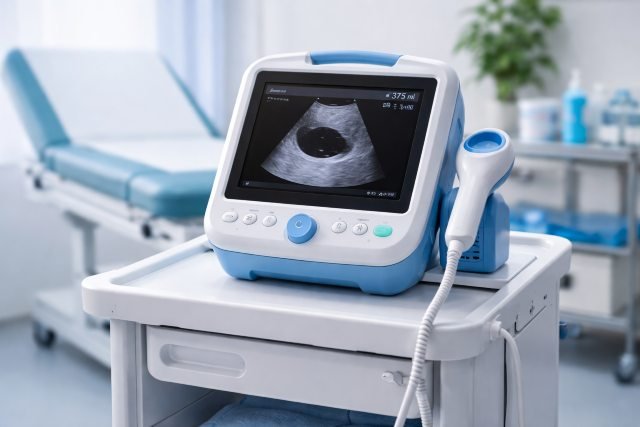
A Bladder Scanner is a non-invasive, portable ultrasound device designed to measure urinary bladder volume quickly and accurately. It plays a critical role in modern healthcare by helping clinicians assess urinary retention, post-void residual volume, and bladder dysfunction without catheterization. Within the first few minutes of use, a bladder scanner can deliver precise data that improves patient outcomes and reduces complications.
- What Is a Bladder Scanner and How Does It Work?
- Key Features of Modern Bladder Scanners
- Clinical Functions of a Bladder Scanner
- Benefits of Using a Bladder Scanner in Healthcare
- Bladder Scanner Use in Different Healthcare Settings
- Real-World Scenario: Bladder Scanner in Postoperative Care
- Common Questions About Bladder Scanners
- Tips for Effective Bladder Scanner Use
- Conclusion: Why Bladder Scanners Are Essential in Modern Care
Over the past two decades, bladder scanning technology has become standard in hospitals, long-term care facilities, emergency departments, and outpatient clinics. Its ease of use, patient safety profile, and diagnostic accuracy have made it an essential tool for nurses, physicians, and allied health professionals.
What Is a Bladder Scanner and How Does It Work?
A Bladder Scanner uses ultrasound waves to create a three-dimensional image of the bladder. By analyzing these images, the device automatically calculates bladder volume in milliliters. Unlike traditional ultrasound machines, bladder scanners are purpose-built, automated, and require minimal operator training.
The clinician places the scanner probe just above the pubic bone. Within seconds, the device captures multiple ultrasound slices, reconstructs the bladder shape, and displays the estimated urine volume on the screen. This process eliminates guesswork and significantly reduces human error compared to manual palpation or invasive methods.
Key Features of Modern Bladder Scanners
Advanced Ultrasound Imaging Technology
Modern bladder scanners rely on enhanced ultrasound algorithms that improve accuracy across different patient anatomies. Many devices adjust automatically for gender, body mass index, and bladder shape, ensuring consistent results even in complex clinical scenarios.
Portable and Point-of-Care Design
Portability is one of the defining features of a bladder scanner. Compact designs with rechargeable batteries allow clinicians to perform bedside assessments in wards, ICUs, and nursing homes. This point-of-care capability reduces delays in diagnosis and treatment.
Automated Volume Calculation
Unlike general ultrasound machines, bladder scanners provide automatic volume measurements. This automation minimizes operator dependency and supports standardized bladder assessment protocols across healthcare facilities.
User-Friendly Interface
Most bladder scanners feature intuitive touchscreens, guided prompts, and visual cues. These design elements reduce training time and make the technology accessible to nurses and caregivers with varying levels of ultrasound experience.
Clinical Functions of a Bladder Scanner
Measuring Post-Void Residual (PVR) Volume
One of the most common uses of a bladder scanner is measuring post-void residual urine. High PVR volumes are associated with urinary retention, benign prostatic hyperplasia, and neurogenic bladder disorders. Early detection helps prevent infections and kidney damage.
Assessing Acute and Chronic Urinary Retention
A bladder scanner enables rapid identification of urinary retention without immediate catheterization. According to studies published by the Agency for Healthcare Research and Quality (AHRQ), bladder scanning reduces unnecessary catheter use by over 30 percent, lowering the risk of catheter-associated urinary tract infections (CAUTIs).
Supporting Postoperative Bladder Management
After surgery, especially procedures involving anesthesia, patients are at increased risk of urinary retention. Bladder scanning allows safe monitoring and timely intervention, improving recovery and patient comfort.
Monitoring Patients with Neurological Conditions
Patients with spinal cord injuries, multiple sclerosis, or stroke often experience bladder dysfunction. Regular bladder scanner assessments help clinicians tailor bladder training programs and avoid complications.
Benefits of Using a Bladder Scanner in Healthcare
Non-Invasive and Patient-Friendly
The most significant benefit of a Bladder Scanner is its non-invasive nature. Patients avoid discomfort, pain, and infection risks associated with catheterization, improving overall satisfaction and compliance.
Reduced Risk of Infections
Research published in the Journal of Nursing Care Quality shows that implementing bladder scanner protocols can reduce CAUTI rates by up to 50 percent. This reduction translates into improved patient safety and lower healthcare costs.
Improved Clinical Decision-Making
Accurate bladder volume data supports evidence-based decisions. Clinicians can determine when catheterization is truly necessary, reducing overtreatment and aligning with best-practice guidelines from organizations like the Centers for Disease Control and Prevention (CDC).
Time and Cost Efficiency
Bladder scanners save time by delivering instant results. They also reduce costs associated with catheter supplies, infection treatment, and extended hospital stays.
Bladder Scanner Use in Different Healthcare Settings
Hospitals and Acute Care Facilities
In hospitals, bladder scanners are widely used in emergency departments, surgical units, and intensive care units. Their rapid assessment capability supports timely diagnosis in high-pressure environments.
Long-Term Care and Nursing Homes
Elderly residents are particularly vulnerable to urinary retention and infections. Bladder scanners help caregivers monitor bladder health proactively, reducing hospital transfers and improving quality of life.
Outpatient Clinics and Urology Practices
Urology clinics use bladder scanners to evaluate treatment effectiveness for conditions like overactive bladder and prostate enlargement. They also enhance patient education by visualizing bladder function.
Real-World Scenario: Bladder Scanner in Postoperative Care
Consider a postoperative orthopedic patient who has not voided for several hours. Instead of immediate catheterization, a nurse uses a bladder scanner and identifies a moderate bladder volume that does not yet require intervention. The patient is encouraged to ambulate and hydrate. Within an hour, normal voiding resumes, avoiding unnecessary catheter use and potential infection.
This scenario illustrates how bladder scanners support conservative, patient-centered care.
Common Questions About Bladder Scanners
Is a bladder scanner accurate?
Yes, modern bladder scanners demonstrate accuracy rates of 95 percent or higher when used correctly. Studies in Urology Nursing confirm their reliability compared to catheterization.
Can a bladder scanner replace catheterization?
A bladder scanner does not replace catheterization entirely but helps determine when catheterization is clinically necessary. This selective approach improves patient safety.
Who can operate a bladder scanner?
Nurses, physicians, and trained caregivers can operate a bladder scanner. Most devices require minimal training and certification.
Tips for Effective Bladder Scanner Use
Proper patient positioning significantly improves accuracy. Ensuring the probe is aligned correctly above the pubic symphysis reduces measurement errors. Regular device calibration and adherence to manufacturer guidelines also enhance performance and reliability.
Conclusion: Why Bladder Scanners Are Essential in Modern Care
The Bladder Scanner has transformed urinary assessment by providing a safe, accurate, and non-invasive solution for bladder volume measurement. Its advanced features, versatile clinical functions, and proven benefits make it an indispensable tool across healthcare settings. By reducing infection risk, improving patient comfort, and supporting evidence-based decisions, bladder scanners continue to elevate the standard of care in modern medicine.
As healthcare systems prioritize patient safety and efficiency, the bladder scanner remains a critical investment for improving outcomes and optimizing clinical workflows.