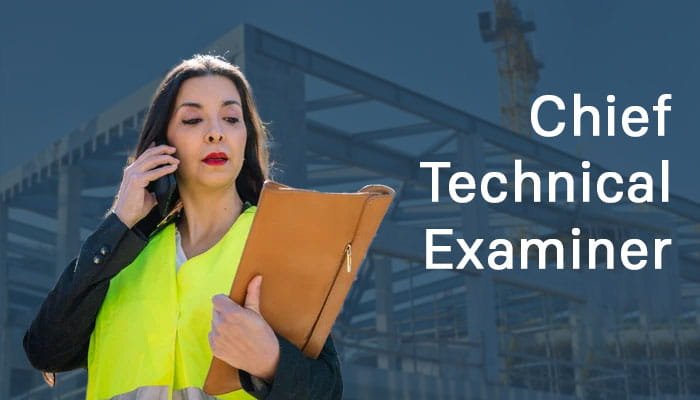
Introduction to the Role of a Chief Technical Examiner
The role of a Chief Technical Examiner is crucial in today’s fast-paced technological landscape. As industries evolve and new innovations emerge, the need for skilled professionals who can evaluate and validate complex technical systems has never been more essential. If you’re curious about what it takes to become a Chief Technical Examiner, look no further. This position not only requires deep technical knowledge but also strong analytical skills and an eye for detail.
Imagine being at the forefront of industry standards, ensuring that products meet rigorous safety and quality benchmarks before they hit the market. From scrutinizing designs to leading teams in testing procedures, this job offers both challenges and rewards. Whether you’re already on this career path or contemplating it, understanding the intricacies of this role will help pave your way to success in a field that continues to shape our future. Let’s dive deeper into what makes a Chief Technical Examiner indispensable in today’s tech-driven world!
Key Responsibilities of a Chief Technical Examiner
Chief Technical Examiners hold critical roles within organizations, overseeing the evaluation of technical processes and systems. Their primary responsibility is to ensure that all examinations meet industry standards and regulations.
They analyze complex data sets to inform their assessments. This requires a keen eye for detail and a deep understanding of both technology and compliance requirements.
Additionally, they collaborate with other departments to streamline examination procedures. Effective communication skills are vital here, as they must articulate findings clearly to diverse audiences.
Training junior examiners also falls under their purview. By mentoring others, they help grow the team’s expertise while fostering a culture of continuous improvement.
Chief Technical Examiners stay updated on emerging technologies and trends. This constant learning enables them to adapt practices in line with advancements in their field.
Necessary Qualifications and Skills for the Role
To land a position as a Chief Technical Examiner, certain qualifications and skills are essential. A strong educational background in engineering, computer science, or related fields is often required. Advanced degrees can give candidates an edge.
Technical proficiency plays a crucial role. Familiarity with various technologies and methodologies used in examinations is vital. This includes understanding cutting-edge advancements that impact the assessment process.
Analytical thinking is another key attribute. The ability to evaluate complex data sets and draw meaningful conclusions helps ensure thorough assessments.
Moreover, leadership skills cannot be overlooked. A Chief Technical Examiner must effectively manage teams while fostering collaboration among diverse stakeholders.
Communication skills also matter significantly in this role. Clear articulation of technical findings to non-technical audiences ensures everyone involved understands the implications of exam results.
Adaptability is important for navigating evolving technologies and regulatory frameworks within the industry.
Career Progression and Growth Opportunities
Career progression for a Chief Technical Examiner can be both dynamic and rewarding. Many start their journey in junior technical roles, gaining hands-on experience with specific technologies or systems.
As they develop expertise, opportunities arise to move into leadership positions. This might include overseeing teams of examiners or managing significant projects within an organization.
Continued education plays a crucial role in advancement. Pursuing certifications or advanced degrees can enhance credibility and open doors to higher-level positions.
Networking within industry circles also contributes significantly to growth prospects. Connecting with peers at conferences or seminars creates opportunities for mentorship and collaboration, paving the way for new roles.
Additionally, exposure to various sectors—such as cybersecurity, software development, or engineering—can broaden career horizons. Exploring these areas allows Chief Technical Examiners to diversify their skill set while remaining relevant in a rapidly evolving tech landscape.
Challenges Faced by Chief Technical Examiners
Chief Technical Examiners encounter a range of challenges in their roles. One significant hurdle is keeping pace with rapid technological advancements. As industries evolve, examiners must continuously update their knowledge and skills.
Another challenge lies in the complexity of cases they handle. Each technical examination can involve intricate details that require deep analytical thinking and problem-solving abilities.
Furthermore, there’s often pressure to meet tight deadlines while ensuring accuracy. Balancing thoroughness with efficiency can be daunting.
Communication also poses difficulties. Examiners must translate complex technical information into clear language for diverse audiences, including non-technical stakeholders.
Chief Technical Examiners face ethical dilemmas related to impartiality and integrity in their assessments. Navigating these issues demands a strong moral compass along with professional expertise.
Tips for Aspiring Chief Technical Examiners
Aspiring Chief Technical Examiners should prioritize gaining relevant experience. Seek roles in technical evaluation or quality assurance to build a solid foundation.
Networking is equally important. Attend industry conferences and engage with professionals in the field. This can open doors to mentorship opportunities and valuable insights.
Continuous learning is essential for career growth. Stay updated on advancements in technology and examination methodologies through workshops, webinars, and online courses.
Develop strong communication skills as well. Being able to articulate complex concepts clearly will benefit your interactions with both technical teams and stakeholders.
Consider obtaining certifications related to your area of expertise. These credentials can enhance your credibility and demonstrate commitment to potential employers.
Conclusion
The role of a Chief Technical Examiner is both challenging and rewarding. As the gatekeeper of technical assessments, this position requires a unique blend of expertise, leadership, and critical thinking. Professionals in this field play a pivotal role in ensuring that examinations are fair, accurate, and adhere to regulatory standards.
With an increasing demand for qualified examiners across various industries, career opportunities abound for those willing to invest time into their education and skill development. Navigating the complexities of technical examinations can be daunting; however, with dedication and strategic planning, aspiring Chief Technical Examiners can carve out successful paths in their careers.
Understanding the necessary qualifications and skills is key to thriving in this position. Equipping oneself with relevant knowledge while also embracing ongoing learning creates not only competent professionals but innovative leaders who can drive change within their organizations.
Embracing challenges as opportunities for growth will strengthen one’s resolve in this vital role. Those interested should actively seek mentorships or professional networks to gain insights from experienced individuals already established in the field.
The journey toward becoming a proficient Chief Technical Examiner may have its ups and downs—yet it ultimately leads to fulfilling work that makes a difference. The impact these professionals have on educational integrity cannot be understated; they contribute significantly to shaping future generations through sound assessment practices. With hard work and determination, anyone passionate about technical examination can achieve success at every turn.