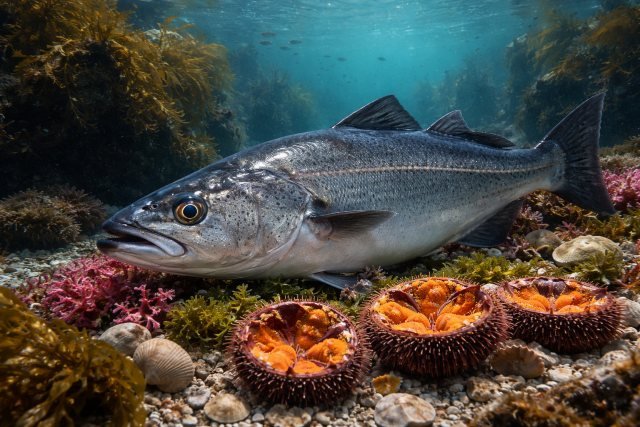
If you’ve been hearing the term Alaskan Seiti and wondering what it actually means, you’re not alone. In seafood markets and online, “Seiti” can feel like a secret menu item — rare, premium, and a little mysterious. The truth is more interesting (and more useful) than the hype: Alaskan Seiti commonly refers to Alaska pollock, a wild North Pacific whitefish that’s central to one of the world’s largest, best-managed fisheries.
- What Is Alaskan Seiti?
- Alaskan Seiti vs. Pollock vs. “Pollack”: Don’t Mix These Up
- Why Alaskan Seiti Feels “Rare” Even When It Isn’t
- Taste and Texture: What to Expect From Alaskan Seiti
- Nutrition: What You’re Really Getting
- Sustainability: One of the Smartest Seafood Choices
- How to Buy Alaskan Seiti Without Getting Tricked by Marketing
- Cooking Alaskan Seiti: Methods That Make It Taste Premium
- Common Questions About Alaskan Seiti
- Conclusion: Why Alaskan Seiti Deserves a Spot in Your Kitchen
In this guide, you’ll learn what Alaskan Seiti is, why the name causes confusion, how it tastes, what nutrition you’re getting, and how to buy and cook it like a pro — without overpaying for a label.
What Is Alaskan Seiti?
In many contexts, Alaskan Seiti is used as a market name for Alaska pollock (Gadus chalcogrammus) — a member of the cod family harvested primarily in the Bering Sea and Gulf of Alaska.
Why the name “Seiti” is confusing
“Seiti” is also a name used in parts of Europe (for example, it appears as a local naming convention for related fish like saithe/Atlantic pollock). That overlap leads to mislabeled blog posts and buyer confusion.
If you’re shopping in the U.S., the most reliable way to confirm what you’re buying is the scientific name and the approved market name guidance. The FDA’s Seafood List is the gold-standard reference for labeling and naming conventions in U.S. commerce.
Alaskan Seiti vs. Pollock vs. “Pollack”: Don’t Mix These Up
Seafood naming gets messy fast, and sellers sometimes benefit from that mess. Here’s the clean version.
Alaskan Seiti (often) = Alaska pollock.
Alaska pollock is a cod-family fish managed under U.S. fisheries regulations, and it’s widely used for fillets, fish sandwiches, fish sticks, and surimi (imitation crab).
Pollock vs. pollack:
Alaska pollock is not the same as “Atlantic pollock/pollack” (and it’s definitely not the same as pollack/pollack-style naming in Europe). Alaska Seafood Marketing Institute explicitly notes the difference from Atlantic pollack and describes Alaska pollock’s typical size and harvest seasons.
Why “Alaskan” matters:
The FDA’s Seafood List notes that only Gadus chalcogrammus caught in Alaskan waters or the Alaska-adjacent U.S. EEZ can be called Alaska/Alaskan pollock in certain labeling contexts — another reason that origin labeling matters when you see “Alaskan Seiti.”
Why Alaskan Seiti Feels “Rare” Even When It Isn’t
Alaska pollock is one of the most harvested fish species on Earth, so how can Alaskan Seiti be “rare”?
It often feels rare for three reasons:
- It’s usually sold as an ingredient, not as a named “star” on menus — think breaded portions, sandwiches, and surimi products.
- The branding is inconsistent. Some sellers use “Seiti” to position it as premium or unfamiliar (which can justify higher margins).
- High-quality cuts are less common at retail, especially fresh, thick fillets. NOAA notes fresh availability is seasonal (with frozen available year-round).
So the fish isn’t rare — but the experience of buying it as a pristine fillet can be.
Taste and Texture: What to Expect From Alaskan Seiti
Most people describe Alaska pollock as:
- Mild and clean-tasting
- Flaky rather than steak-like
- Lower oil compared with richer fish like salmon
That mildness is exactly why it’s so versatile. It plays well with bold sauces, spice rubs, citrus, and crunchy coatings. It can also taste “watery” if overcooked — so technique matters.
Best culinary comparison: If cod is the “firm and clean” benchmark, Alaskan Seiti (pollock) tends to be slightly softer and more delicate, making it excellent for quick cooking methods and recipes where sauce carries the flavor.
Nutrition: What You’re Really Getting
From a nutrition standpoint, Alaskan Seiti (pollock) is popular because it’s generally:
- High in protein
- Relatively low in fat
- A good fit for lighter, heart-conscious meals
For exact macros and micronutrients, use trusted nutrition databases or packaged label data from your specific product, since values vary by cut and processing. NOAA’s species pages and seafood guidance can help you evaluate seafood choices alongside sustainability factors.
Sustainability: One of the Smartest Seafood Choices
This is where Alaskan Seiti truly shines.
NOAA states that U.S. wild-caught Alaska pollock is sustainably managed and responsibly harvested under U.S. regulations.
It’s also widely associated with strong third-party sustainability signals. For example:
- The Marine Stewardship Council (MSC) highlights the U.S. Alaska pollock fishery as MSC-certified and emphasizes its sustainability story.
- The Marine Conservation Society Good Fish Guide rates Alaska pollock as a “Best Choice” in key contexts, noting sustainable fishing pressure and management details (check the specific location and gear).
Practical takeaway: If you want an everyday whitefish that’s typically easier to source responsibly than many alternatives, Alaskan Seiti is often a strong candidate — especially when you can verify Alaska origin and fishery credentials.
How to Buy Alaskan Seiti Without Getting Tricked by Marketing
When you see “Alaskan Seiti” on a label or menu, use this quick checklist:
1) Look for the scientific name
If the seller can provide it, you want Gadus chalcogrammus for Alaska pollock.
2) Confirm origin: Bering Sea / Gulf of Alaska
Reputable suppliers often list Alaska harvest regions, and NOAA describes the primary sources as the Bering Sea and Gulf of Alaska.
3) Prefer frozen for best quality-to-price
Because fresh seasons are limited, frozen fillets can be the sweet spot: stable pricing, consistent quality, and fewer “mystery days” in transit. NOAA notes frozen is available year-round.
4) Check for credible sustainability signals
MSC certification and well-known seafood guides are more meaningful than vague phrases like “ocean friendly.”
Cooking Alaskan Seiti: Methods That Make It Taste Premium
Because Alaskan Seiti is delicate, the goal is to cook it quickly and protect moisture.
Pan-sear (best for weeknights)
Pat the fillet dry, season, and sear on medium-high heat. Finish with lemon-butter or a quick tomato-caper sauce. Keep it just cooked through — overcooking is the #1 reason people think pollock is bland.
Oven-roast (best for meal prep)
Roast at a higher temperature so it cooks fast. Add a sauce or a topping (miso glaze, garlic-herb crumbs, or spicy yogurt) to keep it exciting.
Crispy coating (best for converting skeptics)
This is where Alaskan Seiti wins. Its mild flavor is perfect for crunchy textures, and it’s a classic fit for sandwiches and fish tacos — exactly how it’s commonly used in the broader seafood market.
Chef-level tip: Treat it like a “sauce fish.” If you pair it with punchy flavors — chimichurri, gochujang mayo, salsa verde, or a simple garlic chili oil — it eats like a far more expensive fillet.
Common Questions About Alaskan Seiti
Is Alaskan Seiti the same as Alaska pollock?
In many market uses, yes — Alaskan Seiti is used to refer to Alaska pollock (Gadus chalcogrammus). Always verify via labeling or supplier details when possible.
Is Alaskan Seiti healthy?
Generally, it’s a lean, protein-forward whitefish. For the most accurate nutrition picture, compare products by preparation method (plain fillet vs. breaded vs. sauced), and check official guidance on seafood choices.
Is Alaskan Seiti sustainable?
U.S. wild-caught Alaska pollock is widely recognized as well-managed, and NOAA explicitly frames it as a smart seafood choice under U.S. regulations.
Why is it sometimes called “rare”?
Because the name is uncommon, and high-quality retail cuts can be harder to find fresh due to seasonal availability — despite the fish being globally significant.
Conclusion: Why Alaskan Seiti Deserves a Spot in Your Kitchen
Alaskan Seiti may sound like a rare ocean secret, but what you’re really discovering is a smart, versatile whitefish with a strong sustainability story. When it’s accurately labeled as Alaska pollock (Gadus chalcogrammus) and sourced from Alaska waters, it combines mild flavor, everyday affordability, and responsible management in a way few seafood options can match.
If you want the best experience, buy high-quality frozen fillets, cook them fast, and pair them with bold flavors. Do that, and Alaskan Seiti stops being “mysterious” — and starts becoming your most reliable weeknight seafood.