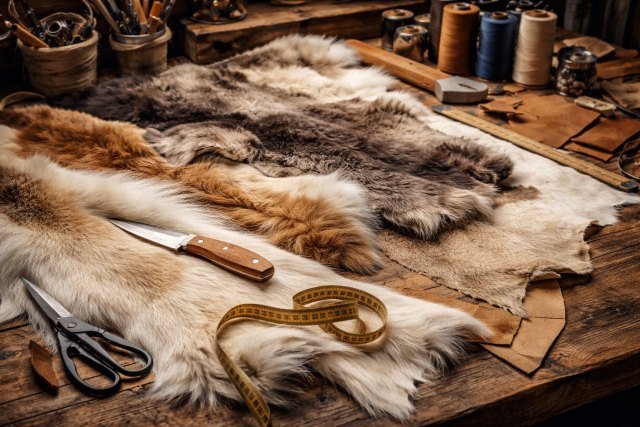
If you’ve been browsing leathercraft supplies and stumbled across Zuschneidfelle, you’re not alone. The term looks very “insider,” but it describes something wonderfully practical: cut-to-use hides/skins (often smaller pieces or offcuts) intended for crafting, sewing, and DIY projects.
- What are Zuschneidfelle, exactly?
- Types of Zuschneidfelle you’ll see (and what each is best for)
- How to choose high-quality Zuschneidfelle without getting burned
- Cutting Zuschneidfelle cleanly: the method that saves material
- Stitching and assembly tips that matter in real life
- Sustainability and safety: what responsible makers should know
- Project scenarios: how crafters actually use Zuschneidfelle
- Zuschneidfelle FAQs
- Conclusion: Why Zuschneidfelle belong in every maker’s stash
In the first minutes of a project, the material choice decides everything — how clean your cuts are, whether seams sit flat, how edges burnish, and how long the finished item lasts. That’s why Zuschneidfelle matter so much: they’re often the most affordable way to practice techniques, prototype patterns, or create small goods without buying a full hide.
One quick note before we go deeper: online, Zuschneidfelle can also appear in ski touring contexts (cut-to-fit climbing skins). In this guide, we’re focusing on the crafting/material meaning — hides, skins, and fur/shearling pieces used for creative work — while briefly clarifying the difference so you don’t buy the wrong thing.
What are Zuschneidfelle, exactly?
In a crafting context, Zuschneidfelle are hides/skins prepared and sold specifically for cutting — often as manageable panels, remnants, or sorted offcuts that are ideal for pattern placement and small-to-medium builds. You’ll also see related German terms like Fellreste (fur/sheepskin remnants) and Fellabschnitte (cuttings/sections), which many suppliers market directly to hobbyists and schools.
Some European manufacturers and retailers explicitly sell remnants “zum Basteln und Nähen” (for crafting and sewing), describing them as real lamb/sheepskin offcuts in varied sizes and textures — perfect for small projects and resource-conscious making.
Zuschneidfelle vs. full hides: why makers like them
Full hides are fantastic when you need large continuous panels (big bags, jackets, upholstery). But for everyday crafting, Zuschneidfelle bring three big advantages.
First, they reduce commitment. You can test stitch length, edge finishing, adhesives, dyes, and rivets without risking expensive material.
Second, they help you work faster. Smaller pieces are easier to lay out, tape patterns onto, and trim accurately.
Third, they’re often more sustainable in practice: using remnants and offcuts can help reduce waste in the supply chain (especially when sellers are moving “Näherei”-leftovers into the hobby market).
Types of Zuschneidfelle you’ll see (and what each is best for)
Because “skins for cutting” is a broad category, it helps to think in families rather than brand names.
Vegetable-tanned leather panels (veg-tan)
Veg-tan is the classic choice for structured leather goods: cardholders, belts, straps, notebook covers, tooling projects, and crisp-looking edges. It tends to cut cleanly, burnish well, and develop a patina.
Veg-tan’s process and environmental tradeoffs are often discussed in leather science and industry literature; one reputable industry body (IULTCS) compares ecological aspects of major tanning processes, including vegetable and chrome tanning.
Chrome-tanned leather pieces
Chrome-tanned leather is usually softer, more drapey, and commonly used for garments, soft bags, and accessories where flexibility matters. It’s also widely used globally: leather science references commonly note that a large majority of leather production uses chrome tanning (often cited in the 85–90% range in technical literature).
Because chrome tanning is associated with wastewater/effluent management challenges, it’s worth understanding the supply chain and choosing reputable tanneries when you can. Reviews of tannery effluent and its environmental concerns are well documented in peer-reviewed literature.
Suede and nubuck offcuts
These are great for pouches, linings, soft grips, and contrast panels. Cutting is easy, but marking can be tricky (chalk works better than pen). Edge finishing is different too: you’ll usually paint or bind edges rather than burnish them glass-smooth.
Sheepskin / shearling (with wool on)
If your “Zuschneidfelle” are actually fur/shearling remnants (common for cozy crafts), you’ll be working with leather on one side and wool on the other. Sheepskin is known for warmth and breathability in apparel contexts, which is why it shows up in classic shearling garments.
For crafts, shearling remnants shine in baby booties (non-slip lining choices matter), camera straps, winter accessories, seat pads, plush trims, and home décor.
How to choose high-quality Zuschneidfelle without getting burned
When you’re shopping online, you’re buying “unknowns”: thickness consistency, finish, temper, and defects. Here’s how to evaluate pieces like a pro, even from a product listing.
Start with the project’s “stress points”
Ask: where will this item bend, stretch, or carry weight? If you’re making a strap or handle, you want firmer leather with consistent thickness. If you’re making a pouch, soft temper is fine.
A simple rule that prevents disappointment: choose material for the job’s hardest moment, not the easy parts. A wallet must survive the fold line; a tote must survive the handle holes.
Thickness and temper: the two specs that matter most
If the listing gives thickness in millimeters, treat that as the most useful number. If it doesn’t, look for words like “firm/standig,” “medium temper,” or “soft.”
If you’re unsure, buy a small test bundle first (remnants are ideal for this) and standardize your own “feel chart” at home by labeling scraps with what worked for which project.
Grain, scars, and “natural character”
Small scars and growth marks aren’t automatically “bad.” They’re often invisible once cut into smaller pattern pieces. But for minimalist designs (clean cardholders, modern straps), you may want smoother grain for the front-facing panels.
For shearling remnants: check wool density and shedding
With fur/shearling, the big risk is loose wool fibers or uneven density. If a seller mentions remnants from their workshop and sorted quality, that’s usually a positive signal for consistent pieces.
Cutting Zuschneidfelle cleanly: the method that saves material
You can absolutely cut leather “freehand,” but for consistent results, use a repeatable process.
First, stabilize the piece. If it’s curled, gently flex it the opposite way and let it rest flat. For very soft chrome-tan, tape the pattern down more than you think you need.
Second, mark lightly and confidently. For smooth grain, a silver gel pen or scratch awl works. For suede, use chalk or removable marking tools.
Third, cut in controlled passes. Leather often cuts best with multiple light passes rather than one heavy push. Your blade stays on track, corners are cleaner, and you’re less likely to stretch soft pieces.
Fourth, manage shearling differently. For wool-on skins, try cutting from the leather side and avoid chopping through the wool pile. This produces a neater edge and reduces shedding.
Stitching and assembly tips that matter in real life
The most common “why does this look homemade?” issue is not the leather — it’s alignment.
If you’re hand stitching, take extra care to keep your stitching line at a consistent distance from the edge. If you’re machine stitching, reduce bulk where seams overlap; skiving (thinning) at folds makes professional-looking corners.
Adhesives and finishes also behave differently depending on tanning and surface. In general, finishes and waxes vary widely by product, so test on an offcut first. That’s another reason Zuschneidfelle are so valuable: they give you sacrificial test pieces.
Sustainability and safety: what responsible makers should know
Leather is often described as a by-product of the meat industry, but the environmental footprint of leather goods is heavily influenced by tanning chemistry and wastewater treatment.
Peer-reviewed reviews summarize tannery effluent challenges and why the sector is often flagged for pollution risks when treatment systems are weak. Meanwhile, industry education resources compare ecological aspects of common tanning routes (chrome, vegetable, and alternatives).
If sustainability is part of your brand or personal craft values, a practical approach is to prioritize two things: buy remnants/offcuts when possible, and favor transparent suppliers who disclose tanning method or certifications.
Project scenarios: how crafters actually use Zuschneidfelle
Imagine you’re designing a minimalist wallet. You can buy one full hide, but you’ll likely waste a lot while learning pattern tolerances, fold spacing, and edge finishing. A bundle of Zuschneidfelle lets you prototype five versions quickly. By version three, your stitch line is straighter. By version five, your edges finally look crisp.
Or imagine you’re making shearling ear warmers for a winter market. A supplier’s workshop remnants give you varied textures and colors — each pair becomes unique. You can price them as “one-of-one” pieces while using material that might otherwise sit unused. Retailers explicitly position such remnants for hobbyists and schools, which aligns with exactly this kind of small-batch crafting.
Zuschneidfelle FAQs
What does Zuschneidfelle mean?
In crafting and leatherwork, Zuschneidfelle refers to hides/skins sold in a form intended for cutting — often panels, sections, or remnants suitable for DIY projects. Many sellers market these as offcuts for sewing and crafting.
Are Zuschneidfelle good for beginners?
Yes. They’re one of the best beginner materials because you can practice cutting, stitching, and finishing without paying for a full hide. They’re also ideal for prototyping patterns.
What’s the difference between Zuschneidfelle and ski “Zuschneidfelle”?
Some websites use Zuschneidfelle to refer to cut-to-fit ski touring skins. If a product mentions skis, climbing skins, glue, or touring, it’s the sports meaning — not leathercraft material.
Is vegetable-tanned leather always more eco-friendly?
Not “always,” but many comparisons highlight advantages such as avoiding chromium salts and enabling different waste profiles, while noting veg-tan can require longer processing and has its own impacts. Industry and academic comparisons discuss these tradeoffs across tanning routes.
How do I store Zuschneidfelle so they don’t warp?
Store them flat when possible, away from direct sunlight and heat. If you must roll, roll loosely with the grain side out, and let pieces rest flat before cutting.
Conclusion: Why Zuschneidfelle belong in every maker’s stash
Whether you’re building your first wallet, experimenting with new finishes, or creating cozy shearling accessories, Zuschneidfelle are one of the smartest materials you can buy. They’re budget-friendly, beginner-friendly, and perfect for learning the skills that make handmade work look truly professional.
Use Zuschneidfelle to test, iterate, and improve — then upgrade to larger hides when your pattern is proven. And if sustainability matters to you, consider the double win of using offcuts while choosing transparent suppliers who understand the real environmental stakes of tanning and effluent management.