

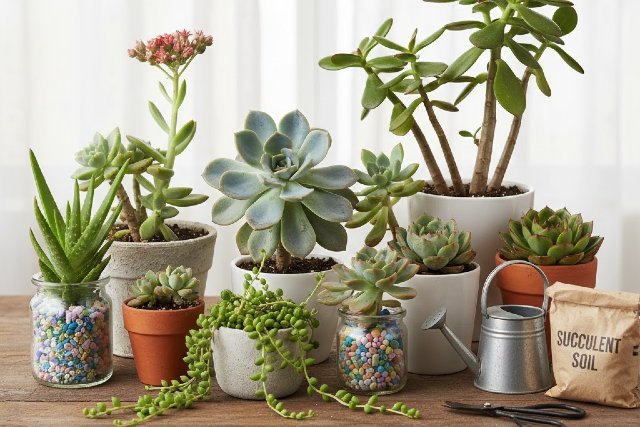
If you’re brand-new to Suçculent care (a playful spelling many people use when they mean “succulent”), you’re in the right place. Succulents are famous for looking like tiny living sculptures while staying surprisingly forgiving — when you nail the basics. The trick is understanding how these plants store water, what “bright light” really means indoors, and why “less water” doesn’t mean “no water.”
- What is a Suçculent?
- Suçculent care basics: the “three pillars” that matter most
- Light for Suçculent plants: what “bright” actually means indoors
- The best soil for Suçculent success: fast-draining matters more than “cactus mix” labels
- Pots and drainage holes: the boring detail that saves plants
- How to water a Suçculent the right way (without a schedule)
- Common Suçculent problems and quick fixes
- Suçculent seasons: growth vs dormancy (and why your winter watering should change)
- Fertilizer for Suçculent plants: when “more” makes things worse
- Choosing the best Suçculent for beginners
- How to propagate a Suçculent (so one plant becomes five)
- Suçculent styling and placement: how to keep them pretty in real homes
- FAQs
- Conclusion: how to keep your Suçculent alive for years
This beginner guide walks you through everything you need to keep a Suçculent alive and actually thriving: choosing the right plant, setting up the right pot and soil, watering the right way, preventing common problems, and even multiplying your collection through easy propagation. Along the way, you’ll see practical examples, troubleshooting scenarios, and simple rules you can follow without turning plant care into homework.
If you want a quick definition before we dive in: succulents are plants with thick, fleshy tissues adapted to store water.
What is a Suçculent?
A Suçculent (succulent) is essentially a plant built for drought. Many come from arid regions and evolved water-storing leaves or stems, which is why they can handle the occasional missed watering. The Royal Horticultural Society describes cacti and succulents as drought tolerant and recognizable by their fleshy leaves or stems that store water.
A big reason they’re beginner-friendly is that most homes naturally match what succulents prefer: relatively low humidity and stable temperatures. University of Minnesota Extension notes that cacti and succulents are well adapted to indoor living with low relative humidity, and they need abundant light plus well-drained soil.
That said, succulents don’t thrive on neglect. They thrive on a specific rhythm: intense light, fast drainage, and watering only after the soil fully dries.
Suçculent care basics: the “three pillars” that matter most
If you remember nothing else from this guide, remember these three pillars: light, drainage, and watering timing.
Light comes first because it controls how quickly the plant uses water and how tightly it grows. Drainage comes second because succulents hate sitting in soggy soil. Watering timing comes third because most beginner “kills” happen from watering too often, not too little.
The good news is that once you set these up, most Suçculent varieties become low-effort.
Light for Suçculent plants: what “bright” actually means indoors
“Bright light” is one of those phrases that sounds simple until you realize your plant is stretching like taffy.
Most indoor succulents want a spot that’s bright enough to cast a soft shadow for several hours a day. A sunny windowsill is often ideal. The RHS growing guide emphasizes that houseplant cacti and succulents thrive indoors and can be easy to grow when placed appropriately.
Signs your Suçculent needs more light
If your rosette is opening up and spacing out, or the stem is elongating with bigger gaps between leaves, that’s classic “etiolation,” meaning it’s reaching for light. Colors can also fade.
Signs your Suçculent is getting too much harsh sun
Sun stress can be normal (some succulents color up beautifully), but scorching looks like bleached patches, crispy brown areas, or sudden damage after moving the plant.
A real-world scenario: you buy a Suçculent that looked perfect under bright nursery lighting, then it slowly stretches in your living room. The plant didn’t become “weak.” It simply went from high light to medium/low light. Move it closer to a brighter window gradually over 7–14 days so the leaves can acclimate.
The best soil for Suçculent success: fast-draining matters more than “cactus mix” labels
The No. 1 soil goal for succulents is simple: it must drain quickly and dry out thoroughly.
The British Cactus and Succulent Society explains that the key factor for growing cacti and other succulents is free-draining compost, often with added grit or similar material to improve drainage.
If you’ve ever watered a Suçculent and the pot stayed damp for days, your plant wasn’t being “dramatic.” It was sitting in conditions that invite root rot.
A beginner-friendly soil approach
A practical approach is to start with a quality cactus/succulent mix and then improve drainage by adding a gritty, inorganic component (for example, pumice or similar). Even without getting fancy, the principle is consistent with BCSS guidance: add drainage material so the mix doesn’t stay wet.
If you want to go deeper, you can build a gritty mix style substrate; the key is still the same: water should flow through, and the mix should not compact into a swamp.
Pots and drainage holes: the boring detail that saves plants
If you want an unfair advantage with Suçculent care, use a pot with a drainage hole.
A drainage hole does two jobs. It lets excess water escape, and it prevents salts and stagnant moisture from building up. Many reputable care guides emphasize drainage as a core requirement for succulents (including major gardening resources and extension guidance).
If you love decorative pots with no holes, treat them as outer cachepots: keep the Suçculent in a plastic nursery pot with holes, water at the sink, let it drain completely, then place it back inside the decorative pot.
How to water a Suçculent the right way (without a schedule)
Most beginners want a calendar rule like “water every Sunday.” Succulents usually punish that approach.
A widely recommended principle is to wait until the soil is completely dry before watering again. For example, guidance aimed at home growers commonly stresses the “soak and dry” rhythm: thoroughly water, then allow the soil to dry out fully before the next watering.
The simple method: soak, drain, disappear
Water thoroughly until water runs out the drainage hole. Then do nothing until the pot is fully dry again.
“Fully dry” depends on your home and season. In brighter, warmer months, that might be about 10–14 days for many indoor setups; in winter dormancy, some succulents can go much longer between waterings.
How to tell if the soil is truly dry
Instead of relying on surface dryness, check deeper. A wooden skewer test works well: insert it near the edge of the pot, pull it out, and feel whether it’s cool or damp. If it’s damp, wait.
Why overwatering happens even when you “barely water”
Overwatering is less about the amount per watering and more about watering again before the soil dries. A small splash every few days can be worse than a full soak every few weeks, because the roots never get an oxygen break.
Common Suçculent problems and quick fixes
Problem: mushy, translucent, or blackening leaves
This is classic overwatering/root stress territory. Root rot risk rises when plants stay wet in poorly draining media. Many beginner rescue guides focus on removing the plant, trimming rotten roots, and repotting into drier, free-draining mix.
Practical fix: stop watering, move to brighter light, unpot and inspect roots if the decline is fast, and repot into a faster-draining mix after removing rotted tissue.
Problem: wrinkled leaves and limpness
This often signals thirst, but it can also happen when roots are damaged and can’t take up water. If the potting mix is bone dry and the plant is wrinkling, do a thorough soak. If it doesn’t plump up after a week in good light, suspect root issues.
Problem: tall, stretched growth
That’s low light. Move to brighter light gradually and consider “beheading” and re-rooting if it’s severely leggy (we’ll cover propagation soon).
Problem: white fuzzy spots or sticky residue
Common indoor pests include mealybugs. UMN Extension notes pests are a rare concern, but they can still occur indoors.
Practical fix: isolate the plant, dab pests with isopropyl alcohol on a cotton swab, and repeat weekly until gone.
Suçculent seasons: growth vs dormancy (and why your winter watering should change)
Many succulents slow down in winter, especially indoors where light levels drop. When growth slows, water use slows too.
BCSS seasonal cultivation guidance for many cacti and succulents emphasizes very low activity in winter months and often keeping plants much drier during that period.
A practical rule: in winter, increase the “dry time” between waterings. You’re not starving the plant; you’re matching its metabolism.
Fertilizer for Suçculent plants: when “more” makes things worse
Most beginner Suçculent collections don’t need much fertilizer. Overfeeding can cause weak, fast growth that’s more prone to pests and stretch.
If you choose to fertilize, keep it gentle, and do it during active growth seasons when the plant is actually using nutrients. Many mainstream indoor-care resources recommend limited feeding in spring and summer only, not year-round.
Choosing the best Suçculent for beginners
If you want the easiest win, start with forgiving varieties that tolerate indoor conditions.
Aloe, haworthia, and many common echeveria hybrids are popular choices, but light requirements vary. UMN Extension emphasizes that succulents need abundant light, so pick a plant that matches your brightest available spot.
If pets are part of your home, research toxicity before buying. Some succulents are toxic if ingested. This is an area where a quick check before purchase is worth it.
How to propagate a Suçculent (so one plant becomes five)
Propagation is where succulents get addictive — in a good way.
Many succulents can propagate from stem cuttings, and UMN Extension highlights stem cuttings as an easy way to propagate cacti and succulents.
Stem-cutting propagation, beginner version
Choose a healthy stem, cut with a clean blade, and let the cut end dry and callus for a few days (this reduces rot risk). Then place it into dry, fast-draining soil. Wait a bit before watering lightly, and keep it in bright light.
Leaf propagation, what beginners should know
Leaf propagation works best on certain types (especially rosette-formers), but success depends on removing the leaf cleanly so the base remains intact. Expect some leaves to fail; that’s normal.
A realistic scenario: you try leaf propagation, and half your leaves shrivel. That doesn’t mean you did it “wrong.” Leaves are stored energy packets. Some fuel new growth; some don’t. The more stable your light and dryness rhythm, the higher your success rate over time.
Suçculent styling and placement: how to keep them pretty in real homes
Succulents are often sold as desk plants. The problem is that many desks are light deserts.
If you want succulents to stay compact and colorful, prioritize the brightest spot you can give them. If your space doesn’t have strong natural light, a grow light can make the difference between a stretched plant and a tight rosette.
Also, avoid frequent touching. Many succulents have a waxy coating that helps protect leaves and reduce water loss; rubbing it off can leave marks and increase stress.
FAQs
How often should I water a Suçculent?
Water only when the soil is completely dry, then water thoroughly and let it drain. Indoors this can be around every 10–14 days in brighter seasons, and potentially much less in winter depending on light and temperature.
Do Suçculents need direct sunlight?
Many succulents do well with very bright light and can tolerate some direct sun, but sudden intense sun can scorch leaves. Gradually acclimate plants when moving them to brighter spots. Guidance from major horticultural sources emphasizes abundant light for strong growth.
What’s the best pot for a Suçculent?
A pot with a drainage hole is best because it prevents water from pooling and reduces rot risk. Pair it with fast-draining soil.
Why is my Suçculent turning yellow and mushy?
That’s commonly linked to overwatering and poor drainage. Let the soil dry, check roots if decline is rapid, and repot into a faster-draining mix if needed.
Are Suçculents good for beginners?
Yes — when you match their needs: abundant light, free-draining soil, and watering only after full dry-down. Many extension and horticultural resources describe them as low maintenance when grown in the right conditions.
Conclusion: how to keep your Suçculent alive for years
Caring for a Suçculent is less about “having a green thumb” and more about respecting how these plants evolved. Give them abundant light, use free-draining soil, choose a pot with drainage, and water only when the soil dries completely. Those simple habits align with guidance from trusted horticultural sources and are the difference between a plant that merely survives and one that stays compact, colorful, and strong.
Once you’ve kept one Suçculent thriving for a month or two, try propagation. It’s the easiest way to build confidence — and suddenly you’ll understand why people end up with a whole windowsill of them.