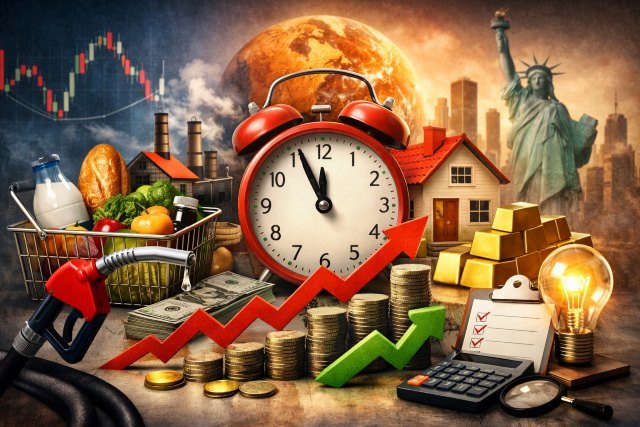
Inflation is one of those economic terms that sounds abstract — until you feel it at the grocery store, at the fuel pump, or when your rent increases. Simply put, inflation means that prices rise over time, and the same amount of money buys fewer goods and services than before. That’s why inflation affects everything from household budgets to business profits and national economic policy.
In this detailed guide, you’ll learn what inflation is, what causes it, how it impacts your life, and — most importantly — practical solutions individuals, businesses, and governments can use to manage inflation effectively. We’ll also explore real-world examples and answer common questions people search online.
What Is Inflation?
Inflation refers to the rate at which the general price level of goods and services increases over time. When inflation rises, the purchasing power of money decreases — meaning you need more money to buy the same things.
The International Monetary Fund (IMF) defines inflation as “the rate of increase in prices over a given period of time.”
Similarly, the World Bank explains it as a continuing increase in the overall price level — not just changes in individual products.
A Quick Example
If a loaf of bread costs $2 today and costs $2.40 next year, that’s inflation. Your money didn’t change — but the price did.
Why Inflation Happens: The Big Picture
Inflation doesn’t happen randomly. It’s usually triggered by demand and supply imbalances, rising production costs, or changes in monetary policy. In many economies, inflation is also influenced by global factors like oil prices, international trade disruptions, or war-related shortages.
For example, U.S. inflation hit 9.1% in June 2022, the highest in about 40 years, driven largely by energy and broader price pressures.
Key Causes of Inflation
1. Demand-Pull Inflation
This happens when people and businesses demand more goods and services than the economy can supply.
Common triggers:
- Strong consumer spending
- Government stimulus programs
- Low unemployment increasing wages
- Higher business investment
When demand rises quickly and supply can’t keep up, prices increase.
2. Cost-Push Inflation
Cost-push inflation occurs when production costs rise and businesses pass those costs onto consumers through higher prices.
Examples:
- Oil price spikes increasing transportation costs
- Rising wages raising production expenses
- Higher raw material costs (food, steel, energy)
This type of inflation is especially common during energy shocks.
3. Built-In Inflation (Wage-Price Spiral)
When workers demand higher wages to keep up with inflation, companies raise prices to cover increased payroll costs, causing inflation to continue.
This cycle can be difficult to break unless productivity increases or demand cools down.
4. Monetary Inflation (Too Much Money in the Economy)
If a country expands its money supply too quickly, people have more money to spend, which can drive prices higher.
Central banks control this through interest rates and money supply tools. If rates stay low too long, inflation may rise.
5. Supply Chain Shocks and Global Events
Modern inflation is often shaped by global disruptions, including:
- pandemics
- geopolitical conflicts
- shipping bottlenecks
- food shortages
- climate-related crop failures
Global inflation dynamics have been widely analyzed by the World Bank in research on cross-country inflation drivers.
Types of Inflation (Quick Overview)
Inflation isn’t always the same across time and economies.
Moderate Inflation
A slow, manageable rise in prices (often 1–3% annually). Most economists consider this healthy.
High Inflation
Prices rise quickly and unpredictably, hurting planning and investment.
Hyperinflation
Extreme inflation where prices rise dramatically (often 50%+ per month). It collapses currency confidence.
Deflation (Opposite of Inflation)
Prices fall over time — this sounds good, but it can reduce business profits and cause layoffs.
Effects of Inflation on People, Businesses, and the Economy
Inflation has both harmful and sometimes helpful effects. The impact depends on whether inflation is stable and expected — or sudden and excessive.
1. Inflation Reduces Purchasing Power
This is the most visible effect.
When inflation rises, your money buys less. Essential goods like food, fuel, and rent become harder to afford.
That’s why inflation is often described as a “silent tax” — your income may remain the same while costs rise.
2. Higher Cost of Living
Inflation increases household expenses, especially for essentials. This affects low-income families disproportionately because they spend a larger share of income on necessities.
3. Interest Rates Often Rise
Central banks typically raise interest rates to slow inflation. Higher interest rates make borrowing more expensive, reducing spending and investment.
This can cause:
- higher mortgage payments
- slower business expansion
- lower stock market performance
4. Savings Lose Value
If inflation is higher than your savings interest rate, your money loses purchasing power even if you don’t spend it.
Example: If inflation is 7% but your savings account earns 2%, your real return is negative.
5. Uncertainty Hurts Business Planning
Inflation makes it harder for businesses to:
- forecast costs
- price products accurately
- plan expansion
- negotiate wages
Over time, this uncertainty can reduce investment and slow growth.
6. Inflation Can Benefit Borrowers
Inflation reduces the real value of fixed-rate debt.
If you borrow money at a fixed interest rate and inflation rises, you pay back the loan with “cheaper money.”
This is why mild inflation can reduce debt burdens for households and governments.
Real-World Inflation Example: 2022 Global Inflation Surge
The 2022 inflation spike provides a clear case study.
United States
U.S. CPI inflation hit 9.1% in June 2022, the largest annual rise since 1981.
Energy costs were a major contributor, with gasoline prices showing extreme increases.
Euro Area
Euro area inflation climbed to 10.6% in October 2022, reflecting strong energy and supply pressures across Europe.
This period highlighted how inflation can be driven by:
- commodity price spikes
- geopolitical shocks
- supply disruptions
- pent-up demand
Practical Solutions to Protect Yourself from Inflation
Inflation affects everyone — but you can reduce its damage with smart strategies.
1. Improve Budgeting and Track Spending
Inflation is easiest to handle when you know where your money is going. Track core categories:
- groceries
- transport
- rent
- utilities
Then identify where prices are rising fastest in your household.
2. Increase Income Strategically
You may not stop inflation — but you can outpace it.
Ways to do that:
- negotiate raises based on inflation data
- develop high-demand skills
- freelance or create side income
- switch jobs (often the fastest wage growth path)
3. Invest Instead of Leaving Cash Idle
Cash loses value during inflation.
Historically, diversified investments can preserve purchasing power over time, including:
- stocks
- inflation-protected securities
- real estate
- broad index funds
(Always consult a financial advisor based on your situation.)
4. Reduce High-Interest Debt
Inflation can increase interest rates, which makes variable loans more expensive.
If inflation is rising, prioritize paying off:
- credit card debt
- high-interest personal loans
- adjustable-rate borrowing
5. Buy Essentials Strategically
During inflation spikes:
- buy durable essentials in bulk
- switch brands
- use discount cycles
- consider substitution strategies
Example: If meat prices rise sharply, households may shift to lentils, eggs, or cheaper cuts.
Solutions for Businesses Facing Inflation
Businesses can survive inflation by adapting pricing, cost management, and supply strategies.
1. Adjust Pricing with Transparency
Customers accept higher prices more easily when businesses communicate why costs are rising.
2. Improve Supply Chain Efficiency
Diversifying suppliers and reducing dependency on single routes reduces vulnerability.
3. Invest in Productivity
Inflation squeezes margins. The best defense is producing more value per unit cost.
Government and Central Bank Solutions to Inflation
Governments and central banks have the most powerful tools to control inflation.
1. Interest Rate Increases
Higher interest rates reduce spending and borrowing, easing inflation pressure.
2. Tightening Money Supply
Central banks can reduce money circulation via bond sales and reserve requirements.
3. Fiscal Policy Adjustments
Governments may reduce deficit spending, lower subsidies, or reform taxation to avoid overheating demand.
4. Supply-Side Policies
Long-term inflation reduction depends on increasing production capacity through:
- infrastructure investment
- energy stability
- labor force expansion
- industrial policy
Frequently Asked Questions About Inflation
What is inflation in simple words?
Inflation means prices rise over time, and your money buys fewer goods and services than before.
Is inflation always bad?
Not always. Moderate inflation encourages spending and investment. But high inflation reduces purchasing power and creates uncertainty.
What causes inflation the most?
The most common causes include high demand, rising production costs, increasing money supply, and supply chain disruptions.
How do you protect money from inflation?
You protect money by investing wisely, avoiding idle cash, reducing debt, increasing income, and improving financial planning.
Does inflation affect everyone equally?
No. Lower-income households usually suffer more because they spend more of their income on essential goods that inflate fastest.
Conclusion: Inflation Can Be Managed with Smart Action
Inflation is a natural part of most economies, but when inflation rises too fast, it becomes a serious challenge. It reduces purchasing power, raises the cost of living, and forces both households and governments to adjust.
The good news is that inflation doesn’t have to control your future. With better budgeting, smart investing, strategic income growth, and disciplined debt management, you can protect yourself and even thrive during inflationary periods.