
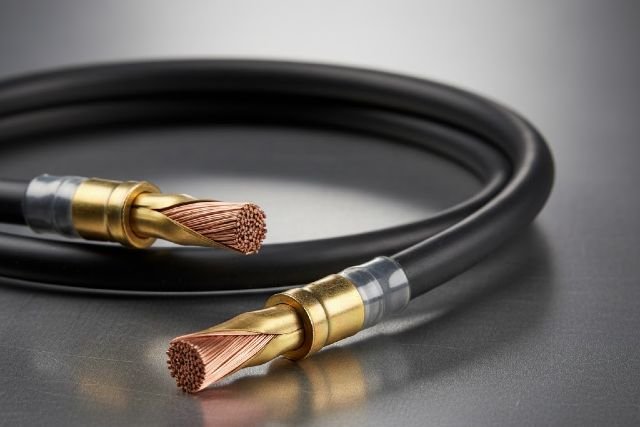
A 4 AWG Battery Cable is one of the most widely used power cables for automotive, marine, RV, solar, and industrial systems. Known for its excellent power-handling capabilities and enhanced safety features, 4 AWG cable offers the perfect balance between conductivity, flexibility, and performance. Within the first 100 words, it’s clear that using the right battery cable is essential for preventing voltage drop, improving starting performance, and ensuring reliable electrical flow.
- 1. Ampacity: How Much Power Can a 4 AWG Cable Handle?
- 2. Voltage Drop Advantages
- 3. Copper vs. CCA Power Differences
- 1. Lower Heat Buildup
- 2. Improved Durability
- 3. Enhanced System Stability
- 4. Reduced Risk of Short Circuits
- 1. Choose the Right Cable Length
- 2. Use the Proper Lugs and Connectors
- 3. Protect the Cable with Fuses
- 4. Follow Industry-Standard Routing
- 5. Use High-Quality Insulation
- 1. Automotive Systems
- 2. Marine Boats
- 3. RVs and Campers
- 4. Solar Power Systems
- 5. Off-Grid & Industrial Equipment
This detailed guide explains everything you need to know about power handling, safety benefits, proper installation, and best practices for using a 4 AWG battery cable in various applications.
What Is a 4 AWG Battery Cable?
A 4 AWG (American Wire Gauge) cable has a wire diameter of 5.19 mm and is commonly used in medium-to-heavy electrical applications. It is thick enough to handle significant current while remaining flexible for routing in vehicles and equipment.
Common Characteristics:
- Current capacity: ~100–150 amps (depending on length & insulation)
- Conductor material: Copper, tinned copper (marine-grade), or CCA
- Insulation types: PVC, EPDM, Cross-linked polyethylene
- Applications: Automotive, solar, marine, inverter setups, battery banks
Power Handling of a 4 AWG Battery Cable
1. Ampacity: How Much Power Can a 4 AWG Cable Handle?
The ampacity of a 4 AWG battery cable depends on:
- Temperature rating
- Installation environment
- Cable length
- Conductor type
Typical Amp Rating for 4 AWG:
- Up to 135 amps (standard automotive PVC insulation)
- Up to 150 amps (marine-grade tinned copper)
- Up to 180 amps (short run, high-temp insulation)
Powering High-Demand Components:
A 4 AWG battery cable is ideal for:
- Car audio systems (1,500–2,000W)
- Inverters up to 2,000 watts
- Alternator upgrades
- RV electrical systems
- Solar charge controllers
- 24V / 36V battery banks
2. Voltage Drop Advantages
Voltage drop is a common issue in electrical systems.
A thicker cable → lower resistance → better performance.
Benefits of low voltage drop:
- Faster engine starting
- More efficient charging
- Longer battery life
- Stable performance for inverters and motors
4 AWG is especially valuable for long cable runs in RVs, boats, and solar systems.
3. Copper vs. CCA Power Differences
| Cable Type | Conductivity | Durability | Ampacity | Cost |
|---|---|---|---|---|
| Pure Copper | Excellent | Excellent | Highest | Higher |
| Tinned Copper (Marine) | Excellent + corrosion protection | Best | Highest | Highest |
| CCA (Copper Clad Aluminum) | Moderate | Fair | Lower | Cheapest |
Recommendation:
Use pure copper or tinned copper for critical power delivery.
Safety Benefits of a 4 AWG Battery Cable
A 4 AWG cable enhances system safety by reducing overheating, arcing, and electrical failures.
1. Lower Heat Buildup
Thicker conductors reduce resistance, meaning less heat is generated.
Heat reduction benefits:
- Lower fire risk
- Prevents insulation damage
- Extends component lifespan
- Improves reliability in high-load applications
2. Improved Durability
High-quality 4 AWG cables offer:
- Oil resistance
- UV protection
- Vibration resistance (important for vehicles & boats)
- High-temperature insulation
Marine-grade tinned copper is especially corrosion-resistant.
3. Enhanced System Stability
Stable current flow protects sensitive devices like:
- Lithium battery BMS
- Alternators
- Power inverters
- Winches
- Electric motors
A stable system means fewer electrical failures and reduced repair costs.
4. Reduced Risk of Short Circuits
4 AWG cables with proper insulation and lugs help prevent:
- Short circuits
- Melted wires
- Faulty connections
- Terminal overheating
Most electrical fires begin with undersized cables, not oversized ones.
Best Practices for Using a 4 AWG Battery Cable
1. Choose the Right Cable Length
Longer runs reduce amp capacity due to resistance.
Quick Guide:
- Under 5 ft → max amp rating
- 5–10 ft → reduce amps by ~10%
- 10–20 ft → reduce amps by ~20%
2. Use the Proper Lugs and Connectors
Using cheap or incompatible connectors causes:
- Voltage drop
- Corrosion
- Loose connections
- Overheating
Recommended:
- Tinned copper lugs
- Heat-shrink tubing
- Proper crimping tools
3. Protect the Cable with Fuses
Every power cable must be protected with a fuse as close to the battery as possible.
Use:
- ANL fuses
- MRBF marine fuses
- Inline MAXI fuses
Fuse rating should be 20–30% above max load.
4. Follow Industry-Standard Routing
To prevent damage:
- Avoid sharp bends
- Keep away from hot engine parts
- Use loom or conduit
- Secure with clamps
This ensures long-term reliability.
5. Use High-Quality Insulation
The best insulation types for 4 AWG cables:
- EPDM (high-temp automotive)
- XLPE (solar & industrial)
- PVC (budget-friendly automotive)
For marine use: tinned copper + oil-resistant jacket is recommended.
Common Applications of a 4 AWG Battery Cable
1. Automotive Systems
Used for:
- Starter cables
- Battery relocation kits
- Alternator upgrades
- Car audio systems (1,500–2,000W)
Provides strong cranking power and low resistance.
2. Marine Boats
Key uses include:
- Trolling motors
- Battery banks
- Inverters
- Bilge pump circuits
Marine-grade tinned copper is preferred.
3. RVs and Campers
Used for:
- Battery to inverter wiring
- Solar system cabling
- Lithium battery banks
- DC distribution panels
Low voltage drop improves appliance reliability.
4. Solar Power Systems
Great for:
- Charge controller wiring
- 12V → 24V → 48V conversion setups
- Battery interconnects
Solar power demands low-resistance wiring to maximize efficiency.
5. Off-Grid & Industrial Equipment
Common in:
- Forklifts
- Golf carts
- Winches
- Electric motors
- Power washers
The durability of 4 AWG cable makes it ideal for rugged environments.
Comparison: 4 AWG vs Other Battery Cable Sizes
| Cable Size | Ampacity | Best For | Notes |
|---|---|---|---|
| 2 AWG | 200–300A | Heavy-duty systems | Very thick |
| 4 AWG | 125–150A | Most automotive/marine/RV systems | Balanced choice |
| 6 AWG | 75–100A | Light-duty circuits | Higher voltage drop |
Frequently Asked Questions (FAQ)
How many amps can a 4 AWG battery cable handle?
Typically 125–150 amps, depending on length and insulation.
Is 4 AWG good for a car audio system?
Yes — ideal for 1,500–2,000 watts.
Can I use 4 AWG cable for solar power?
Yes, it’s excellent for charge controllers, battery banks, and inverter systems.
Is a thicker cable better for safety?
Yes, thicker cables reduce heat and voltage drop.
Should I use copper or CCA?
Copper or tinned copper is always recommended for high-amp applications.
Conclusion
A 4 AWG Battery Cable provides outstanding power handling, improved safety, and exceptional durability for automotive, marine, RV, solar, and off-grid electrical systems. Its ability to handle high current with minimal voltage drop makes it one of the most reliable cable sizes for medium to heavy-duty applications. By following best practices — choosing the right materials, installing proper connectors, protecting with fuses, and routing safely — you can ensure long-lasting performance and maximum electrical safety.
Whether you’re upgrading a vehicle, building a solar system, or wiring an inverter setup, a 4 AWG battery cable is a dependable and efficient choice.