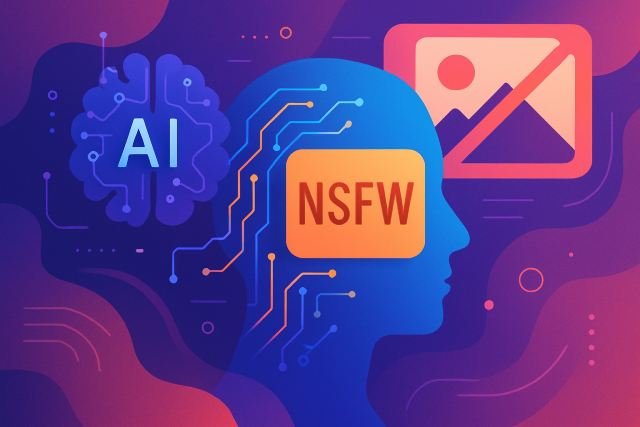
The rise of artificial intelligence has transformed how images are generated, edited, and shared. One branch of this technology — NSFW Image Generator AI — is widely discussed due to its ability to create sensitive or adult-themed imagery. While these tools are controversial, they also raise important questions about ethics, online safety, artistic freedom, and responsible use.
In this article, we explore the benefits, limitations, and best practices surrounding NSFW Image Generator AI, focusing on education, digital literacy, and safety — not on generating explicit content.
What Is NSFW Image Generator AI?
An NSFW Image Generator AI is an artificial intelligence system capable of producing adult-themed or sensitive imagery using deep learning models such as GANs (Generative Adversarial Networks) or diffusion models.
Key characteristics include:
- Trained on image datasets (public or private)
- Uses pattern recognition to generate new visuals
- Applies prompt-based or style-based generation
- Requires strict content policies to prevent misuse
Even though these tools exist online, many platforms — including major AI providers — restrict or prohibit their use due to safety and ethical concerns.
Why NSFW Image Generator AI Became Popular
Although controversial, these AI tools gained traction for several reasons:
1. Online Privacy Concerns
People want control over their imagery, sometimes preferring AI-generated characters instead of sharing real photos.
2. Creative Exploration
Artists experiment with stylized fantasy characters or abstract concepts, not necessarily explicit content.
3. Curiosity About AI Capabilities
The explosive growth of AI art platforms encouraged users to explore all aspects of image generation.
4. The Digital Creator Economy
Some creators look for unique ways to differentiate visual content (while still navigating safety boundaries).
Despite these use cases, NSFW Image Generator AI presents serious risks, making safety discussions essential.
How NSFW Image Generator AI Works
How NSFW Image Generator AI Processes and Generates Images
The technology behind NSFW Image Generator AI is similar to standard image generators, but the ethical implications differ dramatically.
Core technologies include:
- Diffusion Models – gradually transform noise into an image
- GANs – two neural networks compete to create authentic-looking visuals
- CLIP Models – match text prompts with visual patterns
- Transformer Architectures – understand complex user instructions
Workflow overview:
- User enters a prompt
- AI interprets visual instructions
- Model references learned patterns
- AI generates a synthetic image
- Filters may block or censor certain outputs
Responsible platforms strictly prohibit explicit generation to protect user safety.
Benefits of NSFW Image Generator AI (in a Responsible Context)
While these tools can be misused, there are legitimate benefits when applied safely.
1. Privacy-Friendly Alternatives
Creators or educators may use synthetic characters instead of real humans to avoid privacy violations.
2. Research on AI Safety
AI researchers analyze inappropriate generation risks to improve filtering technologies.
3. Digital Literacy & Awareness
Understanding the existence of NSFW generators helps users recognize deepfakes or AI-manipulated images.
4. Cybersecurity Training
Security teams and organizations analyze NSFW AI trends to prevent harassment or image-based abuse.
These benefits only apply when NSFW Image Generator AI is used responsibly, legally, and safely.
Risks & Limitations of NSFW Image Generator AI
Despite potential benefits, NSFW Image Generator AI carries significant risks that users must understand.
1. Deepfake Abuse
These tools can produce synthetic images of real people — a serious privacy violation that can harm reputations.
2. Legal Consequences
Many regions regulate or completely outlaw explicit synthetic imagery involving:
- Real individuals
- Underage appearances
- Non-consensual depictions
3. Ethical Implications
AI-generated NSFW content can:
- Promote unrealistic body representations
- Encourage harmful digital behavior
- Enable harassment
4. Safety Filters Are Imperfect
Even mainstream image models sometimes fail at correctly filtering sensitive outputs.
5. Dataset Transparency Issues
Some NSFW generators may be trained on:
- Non-consensual images
- Copyrighted material
- Unverified datasets
This poses serious ethical and legal concerns.
Consumer and Industry Concerns Around NSFW AI
Privacy Violations
Creating NSFW images of real people (even synthetically) without permission is unethical and illegal in many jurisdictions.
Harassment & Abuse
Image-based abuse is a rising issue. The World Health Organization and UN Women have highlighted online harassment as a public health and human rights concern.
AI Safety & Compliance
Major AI companies (OpenAI, Meta, Google, Stability AI) enforce strong content restrictions to prevent harmful use.
Best Practices for Responsible & Safe Use
If someone is studying or researching NSFW Image Generator AI, these guidelines ensure ethical and safe practices.
1. Avoid Using Real People in Prompts
Never attempt to generate or manipulate images of:
- Coworkers
- Celebrities
- Family members
- Minors (explicitly illegal everywhere)
2. Use AI Tools With Strict Safety Filters
Choose platforms that:
- Block harmful content
- Warn users about safe usage
- Have transparent data policies
3. Respect Legal Boundaries
Research the laws in your region related to:
- Deepfakes
- Image-based abuse
- Digital privacy
- Consent regulations
4. Do Not Share Sensitive AI-Generated Images
Sharing NSFW AI images can:
- Harm reputations
- Expose you to legal risks
- Violate platform policies
5. Understand Dataset Transparency
Only explore tools that:
- Publish dataset sources
- Follow ethical scraping methods
6. Promote Digital Literacy
Help others understand the dangers of AI-manipulated content, especially teens and vulnerable groups.
Ethical Alternatives to NSFW Image Generators
Instead of using NSFW AI generators, users can safely explore:
- SFW (Safe-for-Work) art generators
- Stylized character creators
- Fantasy illustration tools
- 3D avatar makers
These offer creativity without ethical or legal risks.
FAQs About NSFW Image Generator AI
1. Is NSFW Image Generator AI legal?
Laws vary by country, but non-consensual or underage depictions — even synthetic — are widely illegal.
2. Are mainstream AI platforms allowed to generate NSFW images?
No. Major providers block explicit content for safety and legal reasons.
3. Can NSFW Image Generator AI recognize real people?
Some models can, which is why misuse can lead to severe privacy violations.
4. Are NSFW AI images detectable?
Yes. Forensic tools can identify AI-generated content through noise patterns and metadata.
5. What are safer alternatives?
Use SFW-focused AI art tools, avatar creators, or stylized character generators.
Conclusion: Why Understanding NSFW Image Generator AI Matters
The conversation around NSFW Image Generator AI is not about promoting explicit content — it’s about understanding the risks, ethics, and responsibilities that come with powerful image-generation tools. By acknowledging both the benefits and the limitations, users can approach the technology with awareness, caution, and integrity.
In a digital age where synthetic media is rapidly evolving, responsible use, consent, and ethical decision-making must guide how we interact with AI-generated content. Education — not exploitation — is the most important part of navigating NSFW AI technologies.