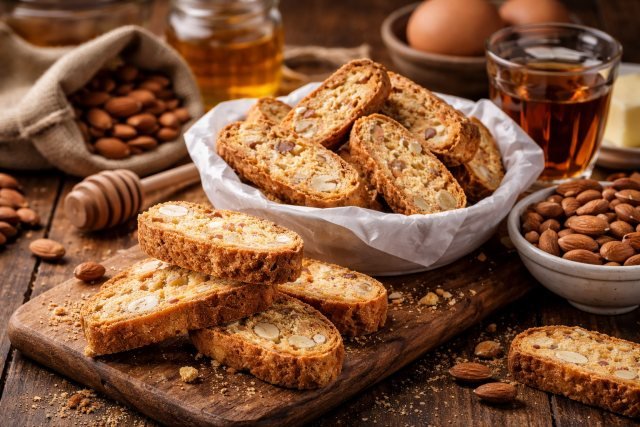
If you’ve ever dunked a crunchy almond biscotti into coffee and wondered how Italians make it so crisp (without drying it into a toothbreaker), you’re in the right place. Бишкоти ди прато — often known as Biscotti di Prato or cantucci — is Tuscany’s iconic twice-baked cookie, designed for dipping and built to keep well. It’s simple, old-school baking: a firm dough, a first bake as a log, a careful slice, then a second bake that toasts each piece into that signature snap.
- What is Бишкоти ди прато?
- Biscotti vs cantucci: are they the same?
- Ingredients for authentic Tuscan-style biscotti
- The best Бишкоти ди прато recipe (step-by-step)
- Why twice-baking matters for texture and shelf life
- Tips to make your Tuscan biscotti taste like a bakery’s
- Common problems and how to fix them
- Serving ideas: the Tuscan way
- Storage and freshness
- Variations that still feel Tuscan
- A quick credibility note: why this cookie matters beyond your kitchen
- FAQs
- Conclusion: your go-to homemade Бишкоти ди прато
The best part? You don’t need fancy equipment or pastry-chef skills to get bakery-quality results — just a few technique details that most recipes skip.
What is Бишкоти ди прато?
Бишкоти ди прато refers to the traditional almond biscotti associated with Prato, Tuscany — crunchy, golden, and typically served with Vin Santo (a sweet Tuscan dessert wine) for dipping. In Tuscany you’ll often hear “cantucci” (or “cantuccini”), and the tradition is closely tied to regional identity — so much so that Cantuccini Toscani / Cantucci Toscani has EU Protected Geographical Indication (PGI) recognition.
Historically, Prato’s most famous name in this world is the Antonio Mattei biscuit factory, founded in 1858, which helped popularize the style that many people now think of as “classic cantucci.”
Biscotti vs cantucci: are they the same?
In Italian, “biscotti” can mean “cookies” in general, but it also comes from the idea of “twice cooked/baked” — the technique that defines this style. Many English speakers use “biscotti” to mean the long, sliced, twice-baked cookie.
“Cantucci” is the Tuscan name commonly used for the almond version associated with Prato. Think of it like this: all cantucci are biscotti (twice-baked), but not all biscotti are Tuscan cantucci.
Ingredients for authentic Tuscan-style biscotti
A traditional Tuscan approach keeps it clean and unfussy: flour, sugar, eggs, and whole almonds are the backbone; many classic versions use no butter, which is one reason the crunch feels so “clean” and dunk-friendly.
The core shopping list
You’ll use:
- all-purpose flour
- granulated sugar
- eggs
- whole almonds (skin-on is fine)
- baking powder
- salt
- citrus zest or a touch of anise (optional but very Tuscan-leaning)
Some respected home-style recipes keep the ingredient list close to pantry basics and still land that classic texture.
The best Бишкоти ди прато recipe (step-by-step)
Yield and timing
This method typically makes about 24–30 biscotti depending on slice thickness. You’ll spend roughly 20 minutes mixing and shaping, then bake twice.
Ingredients
- 2 ½ cups (about 315 g) all-purpose flour
- 1 cup (200 g) granulated sugar
- 1 ½ tsp baking powder
- ¼ tsp fine salt
- Zest of 1 orange (optional, but excellent)
- 2 large eggs + 1 yolk (reserve the white for brushing)
- 1 tsp vanilla extract (optional)
- 1 ¼ cups (about 170 g) whole almonds
- 1 egg white (for brushing)
Step 1: Make the dough
Mix flour, sugar, baking powder, salt, and zest in a bowl. Add eggs and yolk and mix until a rough dough forms. It will look dry at first — keep mixing; the flour hydrates as you work. Fold in whole almonds.
Texture cue: You want a stiff dough that holds shape and isn’t sticky. If it’s sticky, dust with a spoonful of flour. If it’s crumbly and refuses to come together, wet your hands lightly and knead a few turns — don’t add extra egg unless absolutely necessary.
Step 2: Shape the logs
Divide dough into two pieces. On parchment, roll each into a log about 10–12 inches long and 2–2.5 inches wide. Flatten the top slightly for more uniform slices.
Brush with egg white for shine.
Step 3: First bake (the “loaf” bake)
Bake at 350°F / 175°C until the logs are set and lightly golden, usually 22–28 minutes depending on your oven and log thickness.
Cool the logs for 10–15 minutes — cool enough to slice cleanly, warm enough that they don’t shatter.
Step 4: Slice (the make-or-break moment)
Use a serrated knife. Slice on a slight diagonal into ½–¾ inch pieces.
Pro tip: Saw gently — don’t press down hard. Pressing compresses the crumb and makes edges crumble.
Step 5: Second bake (the “biscottare” bake)
Lay slices cut-side down on the sheet. Bake at 300–325°F (150–165°C) until dry and crisp, typically 10–14 minutes per side. Flip once halfway through.
How to know they’re done: They should feel dry to the touch and sound hollow/crisp when tapped after cooling. They harden noticeably as they cool.
Why twice-baking matters for texture and shelf life
That second bake is what transforms a cookie into biscotti. First bake sets structure; second bake drives off moisture so they become crisp and keep longer — one reason biscotti historically traveled well and became such a staple “dunk cookie.” Many modern explanations of cantucci emphasize this “twice cooked” identity as the defining trait.
Tips to make your Tuscan biscotti taste like a bakery’s
Toast the almonds (optional, but worth it)
Lightly toast almonds first to deepen flavor. Cool completely before mixing in.
Don’t over-sweeten
Tuscan-style biscotti are often less sweet than American café biscotti — because they’re meant to be dipped in sweet wine or coffee. If you prefer a more dessert-like version, add 2–3 tablespoons extra sugar, but try the classic profile once.
Slice thickness controls crunch
Thinner slices = drier, snappier biscotti. Thicker slices = slightly more interior bite (still crisp). If you’re aiming for a Vin Santo-style dunk, go a bit thicker.
Common problems and how to fix them
“My biscotti are too hard”
You likely baked the second bake too long or too hot. Next time drop the temperature and shorten the second bake. Also slice slightly thicker.
“They crumble when slicing”
Usually one of three things:
- You sliced too soon (log too hot and fragile)
- You sliced too late (log fully cold and brittle)
- Knife pressure was too aggressive (use a gentler sawing motion)
Aim for that 10–15 minute cooling window.
“They’re not crunchy enough”
They need more time in the second bake — or your slices are very thick. Add 3–5 minutes per side and cool fully before judging.
Serving ideas: the Tuscan way
The most classic pairing is dipping into Vin Santo, which is strongly associated with cantucci culture.
No Vin Santo? Coffee, espresso, cappuccino, black tea, or even warm milk works beautifully.
Storage and freshness
Once fully cooled, store biscotti in an airtight container at room temperature. Because they’re dried by the second bake, they can keep their crunch for quite a while — often a couple of weeks — making them ideal for gifting and make-ahead hosting (a point many cantucci guides highlight).
If they soften over time, re-crisp them in a 300°F / 150°C oven for 5–8 minutes.
Variations that still feel Tuscan
You can stay “Prato-adjacent” while still having fun:
- Orange zest + a few drops of almond extract (aromatic, classic-leaning)
- Add pine nuts alongside almonds (some historic Prato-style makers are known for this)
- Dip one end in dark chocolate for a modern café vibe (not traditional, but delicious)
A quick credibility note: why this cookie matters beyond your kitchen
Cantucci/cantuccini aren’t just a “cute Italian cookie.” They’re a recognized regional product: Cantuccini Toscani / Cantucci Toscani is officially registered as a PGI product in the EU, reflecting the cultural and geographic identity behind the style.
And they’re not niche: one Tuscan industry document notes exports exceed 35% of total production, and reports certified PGI production figures in the thousands of tons.
That’s a lot of crunch.
FAQs
What does “Бишкоти ди прато” mean?
Бишкоти ди прато refers to Prato-style Tuscan biscotti — crunchy, twice-baked almond cookies often called cantucci, traditionally served for dipping in Vin Santo.
Why do you bake biscotti twice?
Biscotti are baked twice to set the dough first, then dry the slices in the second bake. That moisture reduction creates the signature crunch and helps them keep longer.
Should I toast almonds before baking?
Toasting is optional, but it boosts flavor and aroma. If you want a deeper, nuttier biscotti, toast the almonds lightly and cool them completely before mixing in.
How thick should I slice biscotti?
For classic crunch, slice ½–¾ inch thick. Thinner slices get crisper faster; thicker slices stay slightly more “bitey” in the center.
What’s the best drink to serve with Tuscan biscotti?
Traditionally, cantucci are served with Vin Santo for dipping, but coffee and tea are popular everyday pairings.
Conclusion: your go-to homemade Бишкоти ди прато
Once you nail the rhythm — mix a firm dough, bake logs, slice smart, then toast the slices — Бишкоти ди прато becomes one of the most reliable “impressive but easy” bakes you can do at home. It’s crisp without being punishing, endlessly giftable, and practically made for cozy dunking. Keep your second bake gentle, let the cookies cool fully before judging crunch, and you’ll have Tuscan-style biscotti that taste like they came from a little shop in Prato — even if you made them in your own kitchen.